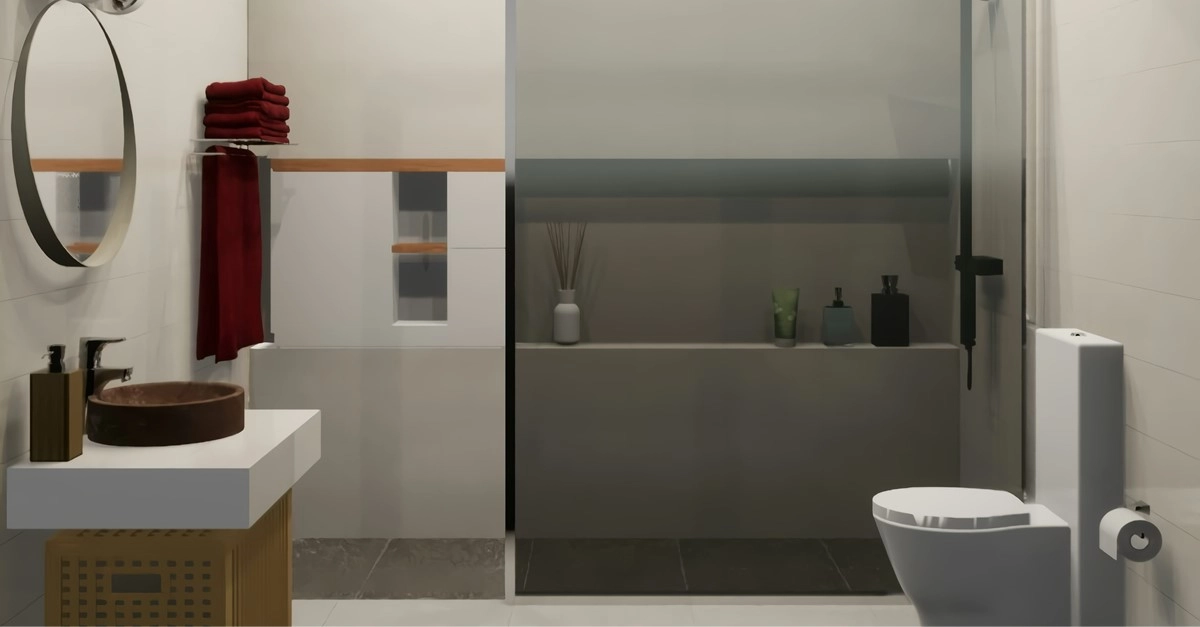
Bathrooms record the rhythm of daily life. Warm steam settles on tiles after showers. Water beads along the edges of sinks and tubs. Soap and shampoo leave faint traces that slowly build into a thin film. At first, these marks are hardly noticeable. But over time, tiles begin to lose their clarity, and learning to clean bathroom tiles naturally becomes a simple part of keeping the space fresh.
Strong chemical cleaners are often used at this stage. Yet bathroom tiles usually do not need harsh products to regain their clarity. Buildup on tiles comes from ordinary soap and minerals in water. These deposits respond well to gentle, natural ingredients already found in most kitchens, making it easier to clean bathroom tiles without relying on stronger products.
Natural cleaning focuses on restoring surfaces to their original clarity. With simple ingredients like vinegar, baking soda, and warm water, bathroom tiles can regain their bright, smooth appearance. When used regularly, these methods help keep the bathroom clean without overwhelming it with strong odors or complicated routines.
Cleaning bathroom tiles naturally is less about scrubbing harder and more about understanding the layers that build on them over time.
Why Bathroom Tiles Collect Soap Scum and Mineral Marks
Bathroom tiles are exposed to a steady mix of moisture, warmth, and personal care products. Each shower releases steam that settles across the tiles. Soap, shampoo, and body wash mix with this moisture, leaving a thin residue behind. When the water evaporates, that residue remains.
Usually, two common layers form on bathroom tiles. The first comes from soap and body products. When soap mixes with minerals in water, it creates a cloudy film that clings to smooth surfaces. This layer is often called soap scum or lime soap. It appears most clearly on shower walls, near taps, and around bathtubs where water frequently splashes.
The second layer comes from minerals present in water. Calcium and magnesium are common examples. When water dries on tiles, these minerals leave faint white spots or streaks. Over time, they build up and create a hazy appearance on glass, tiles, and metal fixtures.
Together, these two layers gradually reduce the natural shine of bathroom tiles. Both soap residue and mineral deposits respond well to mild natural acids. Ingredients like vinegar and lemon gently dissolve these layers, allowing them to be wiped away without damaging the tile surface.
Understanding these deposits explains why simple natural methods are often enough to clean bathroom tiles with minimal effort.
Natural Ingredients That Clean Bathroom Tiles Well
One of the strengths of natural cleaning is its simplicity. A small number of familiar ingredients can handle most bathroom tile buildup. Instead of keeping multiple specialized products under the sink, a few household staples are often enough.
White vinegar is one of the most useful natural cleaners for bathroom tiles. Its mild acidity dissolves mineral deposits and loosens soap residue, making it a reliable option when learning how to clean a bathroom with vinegar. When sprayed onto tile surfaces and left briefly, it softens the buildup and wipes away with ease.
Baking soda offers gentle cleaning power. Its fine texture helps lift residue from grout lines and textured tile surfaces without scratching them. When mixed with a small amount of water, it forms a soft paste that works well on areas with heavier buildup.
Lemon provides another mild natural acid. Lemon juice helps break down light mineral marks while leaving a fresh scent. It works well on smaller areas such as around taps or along tile edges where water collects.
Warm water supports the process. It softens residue and helps these ingredients spread evenly across tile surfaces. A simple rinse with warm water often restores the tiles’ natural look.
These ingredients work steadily and effectively. They loosen deposits, making it easier to clean bathroom tiles and return the surface to its natural brightness with gentle wiping.
A Simple Natural Method for Cleaning Bathroom Tiles
Cleaning bathroom tiles naturally follows a calm, steady rhythm. The process works best when the ingredients are given a little time to soften the layers that have built up.
Begin with a simple vinegar solution. Mixing equal parts white vinegar and warm water in a spray bottle creates a balanced cleaner that works well on most tile surfaces. Lightly spray it across shower walls, sink areas, and any tiles with a cloudy film.
Let the solution rest for a few minutes. During this time, the vinegar begins dissolving mineral deposits and loosening soap residue. The surface may already start to look clearer as the buildup softens.
Wipe the tiles gently with a soft cloth or sponge. Most of the loosened residue lifts away easily. If any areas still feel slightly rough, a second light spray helps complete the process.
For more stubborn spots, a small amount of baking soda can be applied to a damp sponge. Gently working it across the tile surface helps lift remaining residue without scratching the glaze.
Rinse the tiles with warm water to remove any remaining solution. This step restores their natural shine and clears away any loosened residue.
Finish by drying the tiles with a clean cloth. This helps prevent new mineral marks from forming as the water evaporates.
A simple way to follow this method:
- Begin with a light vinegar-and-warm-water application.
- Give the surface some time to soften.
- Wipe gently to clear the loosened layer.
- Add a touch of baking soda where needed.
- Rinse to refresh the surface.
- Finish with a dry cloth for a clear, smooth look.
The routine takes only a few minutes, yet it restores a clarity that often fades gradually.
Cleaning Tile Grout Naturally
Grout lines between tiles often collect more residue than the tiles themselves. Because grout is slightly porous, it holds moisture and soap particles longer than smooth tile surfaces.
Natural cleaning methods help restore grout without harsh chemicals.
A simple baking soda paste works well for this purpose. Mixing baking soda with a small amount of water creates a soft paste that can be spread along grout lines. This helps lift residue while drawing out trapped moisture.
A soft brush or an old toothbrush can then be used to gently work along the grout. Gentle brushing is enough to loosen buildup.
A light spray of vinegar over the paste may create a brief bubbling reaction. This helps release residual material in the grout. After a short pause, the area can be rinsed with warm water and wiped clean.
With occasional care, grout lines return to a lighter, clearer appearance, allowing the entire tiled surface to feel brighter.
Small Habits That Keep Bathroom Tiles Cleaner Longer
Natural cleaning works best when it becomes part of small, steady habits instead of occasional deep effort, helping to clean bathroom tiles regularly without the need for heavy routines. For a more structured approach, a non-toxic bathroom cleaning routine can help maintain this balance through simple weekly care.
After showers, a quick wipe with a cloth or squeegee removes moisture before it dries into mineral spots. Even a brief pass helps prevent residue from building up over time. This simple step helps keep shower glass clear naturally without needing stronger cleaning.
Ventilation supports this process. Opening a window or using a bathroom fan allows steam to clear more quickly, reducing the moisture that settles on tiles and fixtures.
A light vinegar spray, used once every week or two, helps limit the return of soap scum. Because vinegar dissolves mineral deposits, these occasional sprays help maintain clarity without the need for heavier cleaning.
Drying tiles near sinks or tubs after frequent water use also reduces the formation of water marks. Small actions like these keep surfaces looking clear with less effort.
Natural cleaning becomes easier when supported by consistent, simple habits.
When Tiles Need Slightly Deeper Cleaning
In some bathrooms, tile buildup may have formed over a longer period before natural cleaning methods are introduced. In these cases, the same gentle approach still works, though it may need to be repeated once or twice.
Heavier soap scum or mineral deposits soften gradually as vinegar is applied over a few cleaning sessions. Each pass removes another thin layer of buildup until the tiles return to their original appearance.
Grout lines that have darkened may also brighten slowly as baking soda paste is used over several cleanings.
Natural cleaning does not change surfaces all at once. It restores them gradually, layer by layer, helping to clean bathroom tiles while protecting the tile finish and removing accumulated buildup.
A Bathroom That Stays Bright With Simple Care
Bathroom tiles reflect the small routines that take place each day. Steam, water, and soap leave light traces that gradually settle into a soft haze across the surface.
With gentle, natural ingredients and simple habits, these layers can be lifted without relying on harsh chemicals or complex products. Vinegar loosens mineral deposits. Baking soda refreshes grout. Warm water rinses the surface back to clarity.
Over time, the bathroom becomes easier to maintain. Tiles remain bright with light care, and the space feels fresh without the sharp presence of strong cleaners.
Natural cleaning returns bathroom tiles to their original purpose — calm, smooth, and clear surfaces that support the rhythms of daily life.
Keep Your Bathroom Care Calm And Consistent
If you’re learning to clean bathroom tiles naturally, these related guides help you extend the same gentle approach across your bathroom and home: