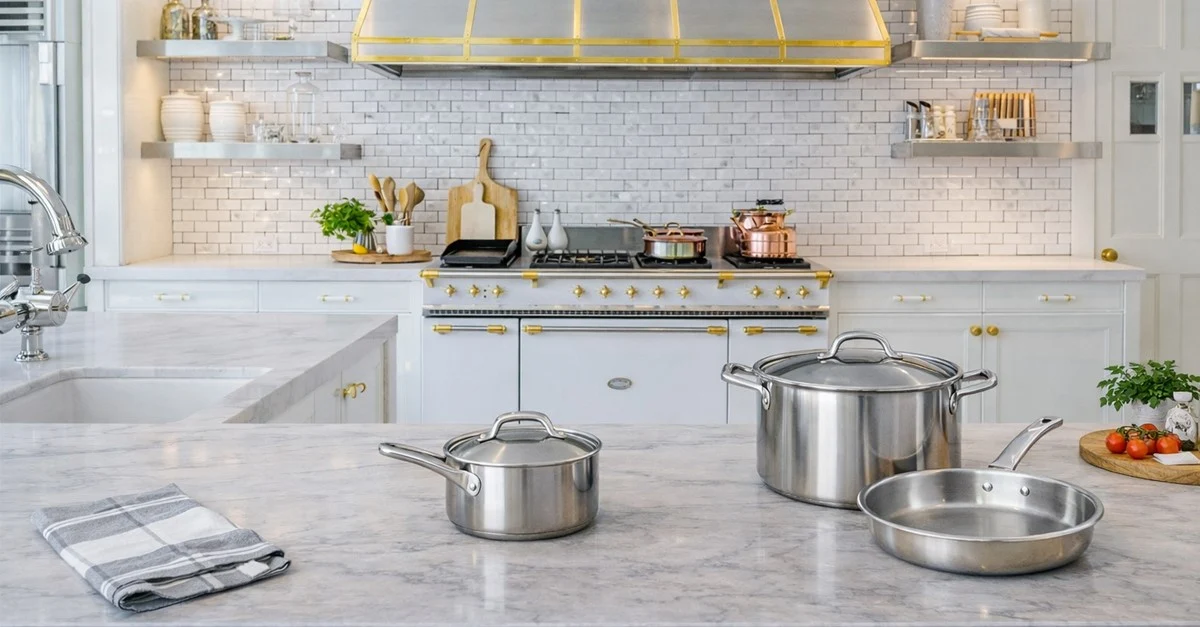
Natural cleaning methods for stainless steel appliances help keep surfaces clear without leaving streaks, dull patches, or damage. Stainless steel is widely used in kitchens because it looks clean and structured, but it also shows fingerprints, watermarks, and grease very easily. When the wrong method is used, the surface can quickly lose its smooth appearance.
Cleaning stainless steel does not require strong products or heavy effort. What it needs is the right approach — one that removes buildup while keeping the finish intact. With simple, natural methods, the surface can stay consistent and easy to maintain.
Understanding Stainless Steel Surfaces
Stainless steel has a visible grain that runs in one direction. This grain affects how light reflects across the surface and how marks appear. When cleaning is done against the grain or in random directions, streaks become more noticeable.
Most of what appears on stainless steel is not damaged. It is usually a layer of oils, cooking residue, or moisture that has dried unevenly. Removing these layers gently is enough to bring the surface back to its original state.
Why Natural Cleaning Methods Work Well
Natural cleaning methods for stainless steel appliances are effective because they focus on breaking down residue instead of covering it.
Vinegar helps dissolve fingerprints and light grease. Mild soap lifts oil without leaving behind a heavy film. Baking soda works on spots that need a bit more attention without scratching the surface.
These methods do not overload the surface. They clean it in a controlled way, which helps maintain a consistent finish over time.
Simple Natural Cleaning Methods That Work
A few reliable methods are enough to clean most stainless steel surfaces effectively:
- Vinegar and water spray to remove fingerprints and light marks
- Mild dish soap solution for grease around cooking areas
- Baking soda paste for stuck or older spots
- Dry cloth wipe to remove moisture and prevent streaks
Each method serves a specific purpose. Using only what is needed keeps the surface clear and free of buildup.
How To Clean Stainless Steel Appliances Step By Step
Natural cleaning methods for stainless steel appliances become more effective when applied in a clear sequence. The process does not need to be repeated in full every time, but understanding the steps helps choose what is needed.
Start by removing loose dust or light particles with a dry cloth. This prevents them from spreading when moisture is applied.
Next, use a suitable cleaning solution depending on the type of mark. For fingerprints and light smudges, a vinegar solution is usually enough. For greasy areas, a small amount of dish soap mixed with warm water works better.
Apply the solution lightly rather than soaking the surface. Too much liquid can create additional marks as it dries. Wipe along the grain with a soft cloth, keeping the movement consistent.
After cleaning, go over the surface with a dry cloth. This step removes any remaining moisture and helps prevent streaks.
How To Avoid Streaks On Stainless Steel
Streaks are one of the most common issues when cleaning stainless steel. They usually appear when cleaning is uneven or when too much product is used.
Excess liquid spreads across the surface and dries in patches. This leaves behind visible lines that reflect light differently. Using a controlled amount of solution reduces this problem.
The direction of wiping also makes a difference. Following the grain keeps the finish uniform. Random wiping spreads residue and creates uneven areas.
Drying is often overlooked, but it plays a key role. Even a small amount of leftover moisture can turn into streaks once it dries. A final dry wipe ensures the surface remains clear.
Restoring A Clean, Even Finish
When stainless steel appliances start to look dull, the cause is usually a buildup of residue. This can come from repeated use of cleaning products that leave a thin film behind, or from grease that has not been fully removed.
Using natural cleaning methods for stainless steel appliances helps remove this buildup gradually. Once the surface is clear, it begins to reflect light evenly again.
In some cases, a small amount of oil can be used to improve the appearance of frequently touched areas. This should be applied sparingly and spread thinly across the surface. The purpose is not to create shine but to even out the finish.
This step is optional and should only be used when necessary.
Daily Maintenance For Stainless Steel Appliances
Regular maintenance reduces the need for repeated deep cleaning.
A simple wipe at the end of the day removes fresh marks before they settle. This keeps the surface easier to manage and prevents buildup from forming over time.
In busy kitchens, handles and front surfaces tend to collect the most fingerprints. Paying attention to these areas during daily cleaning makes a noticeable difference.
This approach fits naturally within the overall Eco Cleaning method, which uses small, consistent steps rather than great efforts.
Within kitchen spaces, it also aligns with the routines of the Kitchen Cleaning approach, where surfaces are regularly maintained as part of daily use.
When Stainless Steel Starts To Look Dull
A dull appearance usually comes from residue buildup or cleaning products that leave a film behind.
Switching to natural cleaning methods for stainless steel appliances allows the surface to clear gradually. As buildup is removed, the finish becomes more even and easier to maintain.
Common Mistakes To Avoid
Some cleaning habits can make stainless steel harder to maintain over time.
Using abrasive pads or rough materials can scratch the surface, even if the marks are not immediately visible. These small scratches affect how light reflects, making the surface look uneven.
Applying too much product can leave behind residue that attracts more dirt. This creates a cycle where the surface appears dirty again soon after cleaning.
Ignoring the grain direction is another common issue. Cleaning without considering the grain often leads to streaks and uneven results.
Avoiding these mistakes helps keep the surface consistent and easier to care for.
Keeping Stainless Steel Surfaces Consistent
Consistent cleaning makes stainless steel appliances easier to maintain over time.
When natural cleaning methods for stainless steel appliances are used regularly, marks do not build up as quickly. The surface remains clear, and cleaning becomes quicker and more predictable.
Instead of needing repeated effort, the process becomes part of normal kitchen use. A light, regular approach is enough to maintain the appearance of the appliances.