
Water And Resource Use In Everyday Living
Water and resource use shape the unseen structure of the home in ways that are easy to overlook. Water flows quietly through routines, materials enter and leave without ceremony, and waste forms gradually rather than all at once. Because these processes feel ordinary, they are rarely examined closely. Yet small inefficiencies accumulate day after day, placing pressure on systems meant to support comfort. This category examines how water and resources behave in everyday routines, and how attention — supported within a wider Smart & Sustainable approach — reduces waste without disruption. The goal is not restriction, but alignment. When flow matches need, the home feels calmer and more balanced.
Why Water And Resource Use Matters
Water and material use influence far more than bills or bins. They shape how heavy or light a home feels to maintain. When resources move without awareness, routines quietly demand more effort — more cleaning, more replacing, more managing. Over time, this background effort becomes normal. Water and resource use matter because they determine whether daily care feels steady or draining. When flow and use are aligned, the home supports life without constant correction.
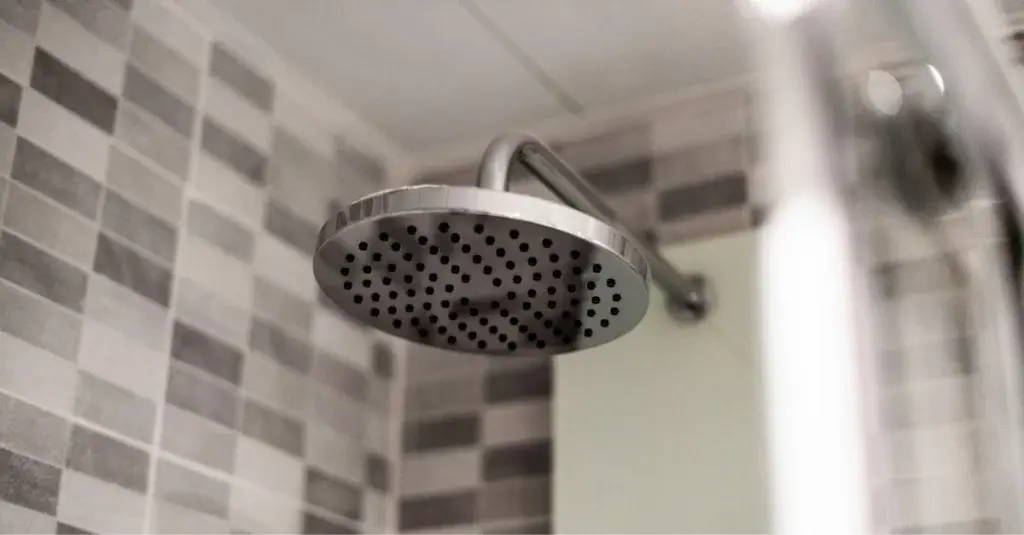
Image Credit: Unsplash / Kevin Baquerizo
What Falls Within Water And Resource Use
Water and resource use extend beyond taps and waste bins. They include how water moves through cleaning, bathing, cooking, and laundry, as well as how materials enter, circulate, and leave the home. Food storage, packaging, cleaning tools, and household products all shape demand. Visibility and storage habits influence how much is used and how much is wasted. These elements work together whether intentionally or not. This category views them as connected systems rather than isolated tasks.
Water As Part Of Daily Rhythm
Water is rarely experienced as a single event. It moves through the home in small, repeated moments — washing hands, rinsing surfaces, preparing food, cleaning up. Because these actions are familiar, water use often becomes invisible. Attention begins by noticing rhythm rather than volume. Some parts of the day require more flow, while others do not. When water follows actual need, excess fades quietly.
How Waste Forms Before Disposal
Waste is often associated with bins, yet it usually forms much earlier. Packaging enters the home, materials are used briefly, and items lose relevance long before they are discarded. These patterns are rarely deliberate. They grow from convenience, routine, and limited visibility. When waste is understood as a process rather than an outcome, prevention becomes natural. Less needs to be managed later because less accumulates earlier.
Water Use That Supports Care
Water supports cleanliness, comfort, and health, yet it is often used beyond what care requires. Taps run while attention drifts, and routines expand without a clear endpoint. These habits feel harmless, but they quietly increase demand. When water use becomes more deliberate, tasks often simplify rather than multiply. Care becomes more focused, not reduced. Water settles into patterns that feel sufficient instead of abundant.
Cleaning As A Resource Pathway
Cleaning brings together water, materials, and products more than almost any other routine. When done without awareness, it can become one of the heaviest sources of everyday resource use. Small shifts change this without reducing effectiveness.
- Measured water replaces continuous flow.
- Efficient tools reduce repeated rinsing.
Cleaning becomes contained rather than expansive. The home stays clean without constant input.
Food, Materials, And Hidden Use
Resources are embedded in everything that enters the home, especially food. When food is wasted, the water and material effort used to produce it are also lost. Storage habits, shopping routines, and visibility all influence how fully food is used. When items are easy to see and access, they are more likely to be consumed. Respect earlier in the cycle reduces waste later. Sustainability settles in without guilt or rigidity.
When Smart & Sustainable Living Supports Flow
Within a Smart & Sustainable home, water and resource use are shaped to follow real routines rather than idealised patterns. Choices around materials, storage, and timing help reduce excess without drawing attention to themselves. Their value lies in continuity, not control. When systems align quietly with daily life, awareness is supported rather than replaced. The home feels steady, not managed.
Water And Resource Use Guides
This category includes focused guides that explore specific patterns of water and material use in greater depth. Each guide explores how small shifts reduce accumulation earlier in the cycle, so daily life feels lighter without extra effort.
Calm Water Use That Doesn’t Demand Attention
This guide explores how water quietly shapes routines throughout the day, often unnoticed. It looks at how awareness, rather than restriction, allows water use to settle into calmer patterns. The focus stays on ease, not reduction.
How Household Waste Forms Before Disposal
Waste rarely begins at disposal. This guide examines how packaging, storage, and everyday habits create waste long before anything is thrown away. It focuses on preventing buildup earlier, so less needs to be managed later.
How Water & Resource Use Habits Support The Wider System
Water and resource use sit close to daily routines, yet their effects extend across the whole home. When water flows steadily and materials move without excess, systems remain balanced and waste stays lighter. Resource habits influence whether care accumulates or settles naturally.
From here, you can also explore:
- Energy & Home Technology for shaping how systems respond without overcorrection
- Sustainable Living Systems for maintaining long-term steadiness beyond daily flow
Living With Enough
Water and resource use begin to feel balanced when fewer needs are being corrected. There is enough flow, enough material, enough support — without overflow. The home feels lighter because less enters, less leaves, and less lingers. This sense of enoughness supports both sustainability and ease. Daily life unfolds without constant adjustment. The house settles, and nothing feels unfinished.