
Long-Term Balance Through Sustainable Living Systems
Part of the Smart & Sustainable Pillar
Sustainable living systems shape how a home holds together over time, long after initial choices are made. They include the structures, materials, and routines that quietly determine whether a home settles with ease or requires ongoing correction. When systems are mismatched to daily life, repair and replacement become frequent, and efficiency erodes without being immediately noticed.
This category is part of the wider Smart & Sustainable approach, where sustainability is continuity rather than an upgrade, focusing on choices that reduce disruption and resource strain. It explores how stability forms when systems are chosen with longevity in mind. When supported thoughtfully by energy & home technology, homes become easier to maintain without becoming complex.
Why Sustainable Living Systems Matter In Daily Life
Sustainable living systems shape how demanding a home feels over the years. When systems require constant adjustment, attention is pulled away from living and toward maintenance. Gradually, this creates a background fatigue that often goes unnamed. These systems matter because they reduce that quiet drain. When structures, materials, and routines hold steady, daily life moves with fewer interruptions. The home supports its occupants instead of competing for effort.
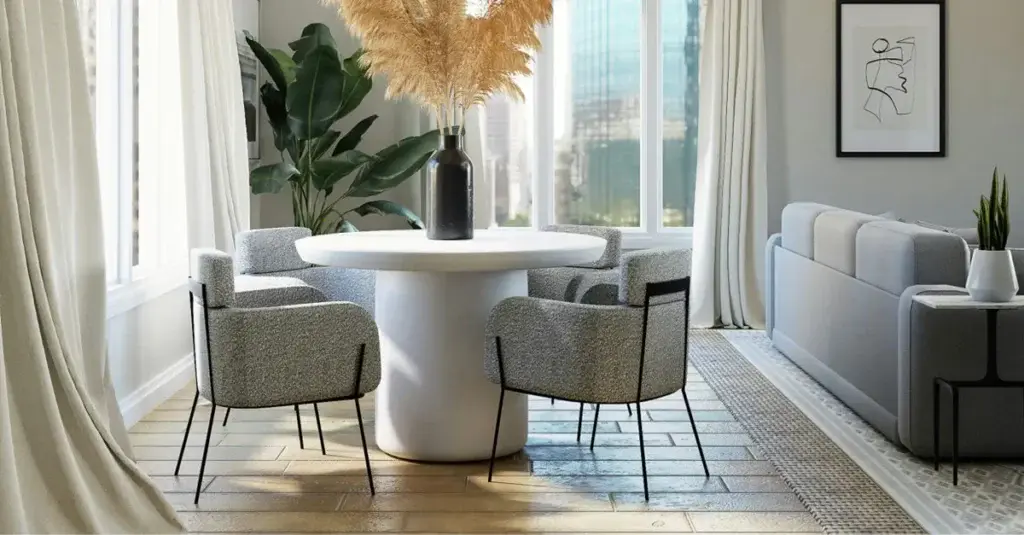
Image Credit: Unsplash / Spacejoy
What Falls Under Sustainable Living Systems
Sustainable living systems include more than visible upgrades or major installations. They cover how materials age, how systems respond to use, and how habits affect wear across time. Plumbing, electrical layouts, ventilation, storage, and finishes all play a role. So do routines around use, rest, and repair. These elements interact continuously, whether intentionally or not. This category looks at them as a connected foundation rather than a series of isolated decisions.
Seeing Sustainability As Continuity
Many homes are shaped by a cycle of improvement, where change is frequent, and satisfaction fades quickly. New systems promise efficiency but often become outdated or mismatched to real use. Sustainable living systems interrupt this pattern by valuing continuity instead of constant change. Attention shifts from what can be improved to what can be stabilised. When systems remain useful across long periods, effort softens and familiarity grows. Comfort holds more steadily because the home is not always adapting to something new.
Materials And Systems That Age Well Together
Materials play a quiet but lasting role in how long systems remain functional. Surfaces, fixtures, and finishes that wear gently reduce the need for replacement and repeated intervention. When materials are chosen for durability rather than appearance alone, they continue to serve even as they change visually. This lowers waste and repair cycles without drawing attention to itself. Over time, homes built with lasting materials feel settled rather than temporary. Longevity becomes part of the home’s character, not a feature that needs explanation.
Systems That Follow Daily Use Without Strain
Home systems work best when they support daily routines rather than resist them. Plumbing, electrical layouts, ventilation, and storage quietly shape how much effort a home demands. When systems require constant adjustment, strain builds without being named. Sustainable living systems reduce this strain by responding naturally to everyday patterns. Comfort steadies because systems are not working against behaviour. The home begins to feel cooperative, as though it understands how it is being lived in.
Longevity Supported By Technology And Repair
Energy and home technology can either shorten or extend a system’s useful life, depending on how it is applied. Tools that adapt to real routines allow homes to evolve without forcing replacement. Technology works best when it supports awareness instead of enforcing rigid behaviour. At the same time, systems designed for repair rather than disposal remain useful far longer. Sustainable living systems favour access and serviceability, spreading care gently across time. The home becomes easier to live with because solutions remain familiar rather than disruptive.
Habits That Reduce Wear Without Effort
Not all sustainability comes from materials or systems alone. Daily habits shape how long surfaces, fixtures, and systems remain comfortable to use. Simple patterns reduce strain without becoming tasks. Systems used within their intended capacity tend to remain stable. Allowing rest periods between uses gives materials time to settle. Gradually, wear slows because treatment stays consistent. Sustainability emerges through use that feels ordinary, not through restriction or control.
Sustainable Living Systems Guides
This category includes focused guides that explore how long-term systems can support steadier living with fewer disruptions. Each guide looks at continuity rather than change, helping homes reduce repair cycles and unnecessary upgrades.
When Home Systems Age Better Than Expected
This guide explores how some systems remain functional far longer than anticipated when they are used thoughtfully. It examines what enables systems to age well and how familiarity often outperforms novelty.
Living With Systems That Don’t Demand Attention
Some homes feel easier simply because their systems fade into the background. This guide explores how reducing intervention and allowing systems to settle supports long-term ease.
How Living Systems Support Long-Term Ease
Sustainable living systems shape how the home ages, adapts, and continues without strain. When systems are allowed to settle rather than compensate, replacement slows and comfort remains consistent. What lasts well often requires less attention than what is constantly corrected.
From here, you can also explore:
- Water & Resource Use for managing demand where daily routines begin
- Energy & Home Technology for supporting steady system use in everyday life
How Longevity Shapes The Whole Home
Living systems influence more than their immediate function. When systems are replaced frequently, disruption spreads outward in subtle ways — dust travels, noise increases, and routines adjust around the change. When systems stabilise instead, the entire house settles alongside them. Air quality is more consistent, comfort becomes more predictable, and daily rhythms require fewer corrections. Sustainable living systems are shaped by time rather than constant optimisation, allowing resources to be conserved simply by staying in use. When longevity defines sustainability, the home becomes something lived with rather than managed, and balance holds quietly across everything it supports.