
Building A Smart And Sustainable Home That Uses Less, Lasts Longer
Many homes look fine on the surface. The lights work, the appliances run, the taps flow, and the rooms stay comfortable enough. Yet beneath that normality, small losses happen unnoticed all day. Energy slips away through unquestioned habits. Water runs longer than needed. Items are bought, used briefly, then forgotten. Systems continue operating because no one asks if they still fit the way life is lived now.
These losses are rarely dramatic or recognized as problems. Instead, they build slowly — higher bills, crowded storage, and a sense that the home requires constant attention just to function. Over time, that effort becomes background stress: the home feels busy even when idle. Maintenance replaces ease. Consumption replaces intention.
Smart and sustainable living starts with noticing this quiet drain — not as failure but as a natural result of modern life. Homes were not designed to think for us. They run on routines and systems that linger long past their usefulness. Without awareness, inefficiency becomes standard. This pillar is not about correcting everything at once. It is about learning to reduce friction, to help the home do its work more quietly, and to use resources with respect rather than excess.
Smart and sustainable living does not ask for sacrifice. It asks for clarity. When the home uses only what it needs, life inside it feels lighter. Not because less is owned, but because less is demanded — from time, energy, money, and attention. If you want a grounded starting point, living with less demand in daily routines shows how small repeats quietly shape use without turning the home into a project.
What Smart And Sustainable Offers Instead
Smart and sustainable living offers a different relationship with the home. One where systems are adjusted to support daily life rather than complicate it. One where resources are used deliberately, not reflexively. One where small decisions, repeated gently, shape long-term balance.
Instead of constant upgrades, it focuses on right-sizing — using what already exists more thoughtfully. Instead of extreme eco-rules, it builds consistency. Instead of chasing efficiency through complexity, it prioritises simplicity that lasts.
A smart home is not defined solely by technology. It is defined by awareness. Knowing when energy is needed and when it is not. Understanding how water moves through routines. Recognising what creates waste before it appears. Sustainability begins there — long before any product is purchased.
This approach respects real homes. Homes with families, routines, changing schedules, and imperfect days. It does not demand flawless habits. It works with human behaviour rather than against it. Over time, this way of living reduces strain. Systems require less intervention, bills stabilise and storage clears. The home begins to feel less like something that must be managed and more like something that quietly supports the people inside it.
How This Guide Is Structured
This pillar page is designed as a long-term reference, not a one-time read. Like other pillars, it moves from understanding to application, from meaning to daily life.
The guide is structured in layers:
- First, it defines what smart and sustainable truly means within a lived-in home
- Then, it explains why this approach matters beyond cost or environmental concern
- After that, it breaks the topic into clear, practical sections that reflect how homes actually function
- Finally, it frames smart and sustainable living as a lifestyle that unfolds gradually, not a project to complete
Each main section explores one part of sustainable home living in depth. These sections contain focused subtopics that address both mindset and practical behaviour. The goal is not to overwhelm but to give you clarity and direction.
You are not expected to apply everything at once. Instead, choose one small action from this guide to implement this week. Use this guide as a resource you return to as your home and routines evolve. Take the first step today toward a smarter, more sustainable home.
Explore Smart And Sustainable By Area
While this pillar holds the full framework, Smart and sustainable living becomes most practical when explored by area. Start by selecting one category hub below to focus your efforts and see immediate, manageable change in a specific part of your home.
Each hub supports the pillar by translating principles into practical guidance for everyday life. Take action by applying one suggestion from each hub, building new habits step by step.
What Smart And Sustainable Really Means
At its core, smart and sustainable living is about intentional use. Using only what supports life well. Letting go of what drains without giving back.
“Smart” does not mean automated everywhere. It means thoughtful. It means systems that respond to how the home is actually used, not how it was once imagined. Sometimes that involves technology. Often, it involves habit. “Sustainable” does not mean living with less comfort. It means creating comfort that does not require constant consumption to maintain. Sustainability shows up when homes remain functional without constant replacement, constant cleaning, or constant correction.
Together, these ideas form a steady approach. One that recognises limits — of energy, of water, of attention — and treats them as valuable rather than disposable. Smart and sustainable living values longevity over novelty. Stability over speed. Ease over excess. It is not about doing more. It is about doing what already exists more wisely.
Benefits Of Smart And Sustainable Living
The benefits of this approach extend beyond environmental responsibility. They are felt daily, often quietly. A home that uses resources efficiently costs less to run, leading to lower energy and water bills. Expenses become more predictable instead of surprising. Maintenance stays manageable instead of feeling endless. Storage spaces remain clear as consumption slows, allowing for more organised, usable spaces. There is also a mental benefit. With aligned systems, fewer decisions and reminders are needed. The home feels calmer and demands less from its people.
Over time, this approach supports better health and well-being. Using fewer cleaning chemicals and reducing waste leads to a safer living space. Efficient systems lower noise and disruption. Thoughtful use of space promotes physical comfort and easier movement throughout the home.
These benefits build gradually and become part of everyday life. You may notice less financial stress, a calmer home environment, and greater physical comfort. Once established, these improvements are long-lasting.
Smart And Sustainable As A Long-Term Lifestyle
Smart and sustainable living is not a phase. It is not something to complete and move on from. It is a way of relating to the home that deepens with time. As routines change, systems adjust. As households grow or shrink, habits shift. The principles remain, even when the details evolve. This lifestyle allows flexibility. Some seasons require more energy, more water, more convenience. Others allow restraint. Sustainability accommodates both, without guilt.
By approaching the home as a system that learns rather than a structure that demands perfection, smart and sustainable living becomes steady and forgiving. Start your journey now—make one intentional adjustment and let it support your life.
Section 1 — The Meaning And Mindset Of Smart And Sustainable Living
Seeing The Home As A System, Not A Set Of Rooms
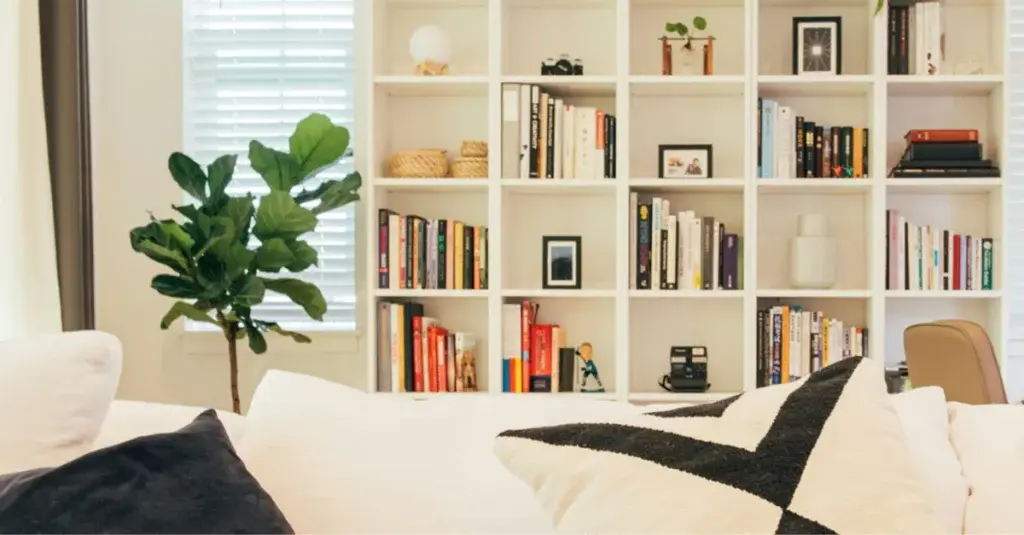
Image Credit: Unsplash / Kailun Zhang
Most people think of homes in parts—a kitchen, a bedroom, a bathroom, a living space. Each room gets managed, cleaned, and upgraded separately. This makes daily tasks feel organised, but often hides how connected everything is. Energy moves between rooms. Water use in one area affects water use in another. Storage decisions influence how often items get replaced or go to waste.
Smart and sustainable living starts with this new perspective. Rather than seeing rooms in isolation, view the home as one system. When one part gets inefficient, the effect quietly spreads elsewhere. A poorly ventilated room increases energy use. Excess storage encourages overbuying. Appliances left running quietly change daily consumption patterns.
This systems view does not require technical knowledge. It only asks for attention. When the home is understood as something that responds to behaviour, habits begin to matter more than products. Small adjustments start to feel meaningful because their effects extend beyond a single surface or task. Over time, this mindset reduces the need for reactive fixes. Instead of constantly addressing symptoms — high bills, clutter, discomfort — the home becomes easier to manage because its underlying patterns improve.
Moving Away From “More” As The Default Solution
Modern living quietly teaches that improvement comes from adding. More devices, more features, more storage, more options. When something feels inefficient or uncomfortable, the first instinct is often to purchase a solution. This habit is rarely questioned, yet it is one of the main drivers of waste and complexity at home.
Smart and sustainable living interrupts this pattern. It introduces a pause before adding anything new. The question shifts from “What should I buy?” to “What is already here, and how is it being used?” Often, inefficiency is not caused by a lack, but by excess operating without intention. This does not mean refusing all upgrades. It means understanding whether an addition truly solves a problem or simply masks it. A smart home is not one filled with devices. It is one in which each element has a clear purpose and requires no ongoing attention.
As this mindset settles in, homes naturally become calmer. Fewer objects compete for space and energy. Maintenance decreases. Decisions become simpler because not every discomfort triggers a purchasing response.
Understanding Efficiency As Ease, Not Speed
Efficiency is often misunderstood as doing things faster. In homes, this can lead to rushed routines, constant automation, or systems that prioritise speed over comfort. While these approaches may save minutes, they often increase mental load and long-term resource use.
Smart and sustainable living defines efficiency differently. Efficiency is ease. It is the absence of unnecessary steps. It is systems that work quietly in the background without demanding oversight. It is routines that feel natural rather than forced. For example, an efficient home does not require constant reminders to switch things off because usage patterns already reflect actual need. It does not rely on excessive monitoring because habits are stable. It does not require frequent corrections because systems align with daily life.
This kind of efficiency reduces fatigue. When the home flows easily, energy is preserved — both literally and mentally. Over time, this ease becomes one of the most valuable outcomes of sustainable living.
Letting Sustainability Be Practical, Not Performative
Sustainability is often presented as a visible effort. Special products, strict rules, or lifestyle labels that signal commitment. While these approaches may work for some, they can make sustainability feel distant or demanding for many households.
Sustainability can settle into a home quietly. The aim is not to display awareness, but to reduce waste where it naturally appears. It becomes a practical outcome of living with attention, not something performed. This means choosing solutions that fit existing routines. It means allowing gradual change. It means accepting that not every decision will be optimal, but many can be improved gently.
When sustainability stops being performative, it becomes sustainable in the truest sense — something that can be maintained without effort or guilt. Homes adapt slowly, and habits settle in ways that last.
Valuing Longevity Over Trends
Homes are long-term environments, yet many decisions are influenced by short-term trends. Products promise instant transformation but require replacement within a few years. Systems appear efficient but quickly become obsolete. These cycles increase cost, waste, and disruption.
Smart and sustainable living prioritises longevity. Choices are evaluated based on how long they will remain useful, repairable, and relevant. Materials that age well are favoured over those that degrade quickly. Systems that can adapt are preferred over those that lock behaviour into rigid patterns.
This mindset changes how decisions are made. Instead of asking whether something is new or advanced, the focus shifts to whether it will still make sense years from now. Over time, this approach reduces replacement cycles and creates a home that evolves rather than resets. Longevity also supports emotional comfort. Familiar systems build trust. The home becomes predictable in a good way — reliable, steady, and easy to live in.
Recognising Habit As The Most Powerful Tool
No technology saves more energy or water than habit. No product reduces waste as effectively as awareness. Smart and sustainable living recognises this and places behaviour at the centre of the home. Habits shape consumption patterns silently. How long do the lights stay on? How water is used during cleaning. How often are they replaced? These actions have a far greater impact than one-time upgrades.
The goal is not strict discipline. It is consistency. When habits are simple and repeatable, they hold. Over time, they require little effort and deliver continuous benefit. This focus on habit makes sustainable living accessible. Anyone can adjust routines. Anyone can notice patterns. Sustainability becomes a daily reality, not something achieved occasionally.
Allowing Progress To Be Gradual And Uneven
One of the quiet pressures around sustainable living is the expectation of immediate change. Homes are expected to transform quickly. Habits are expected to shift instantly. This pressure often leads to burnout or abandonment. Smart and sustainable living allows uneven progress. Some areas improve quickly. Others take time. Life changes, priorities shift, and routines adapt. Sustainability accommodates this reality rather than fighting it. This flexibility is essential for long-term success. When progress is allowed to be gradual, it becomes resilient. Homes improve without stress. Systems settle naturally. Changes stick because they were not forced. Over time, this gentle approach proves more effective than rigid plans. Sustainability becomes integrated into daily life rather than added on.
Reframing Control As Awareness, Not Monitoring
Control in the home is often associated with constant checking — meters, apps, reminders, alerts. While monitoring can be useful, too much of it creates tension and fatigue. Smart and sustainable living reframes control as awareness. Knowing roughly how the home behaves. Understanding where resources are used most. Recognising when something feels excessive or unnecessary. This level of awareness does not require constant tracking. It develops naturally through attention and reflection. When awareness is present, adjustments happen intuitively. The home begins to feel responsive rather than demanding. Control becomes quiet, and confidence replaces oversight.
Building A Relationship With The Home That Lasts
At its deepest level, smart and sustainable living is about relationships. The home is no longer treated as a machine to be optimised or a space to be perfected. It becomes a partner in daily life. This relationship is built on understanding, patience, and respect for limits. The home supports the people inside it, and in return, it is used thoughtfully. When this relationship is established, sustainability ceases to be a goal. It becomes the natural outcome of living with care.
Section 2 — Everyday Energy: Smarter Use Without Overcomplication
Understanding Where Energy Quietly Disappears
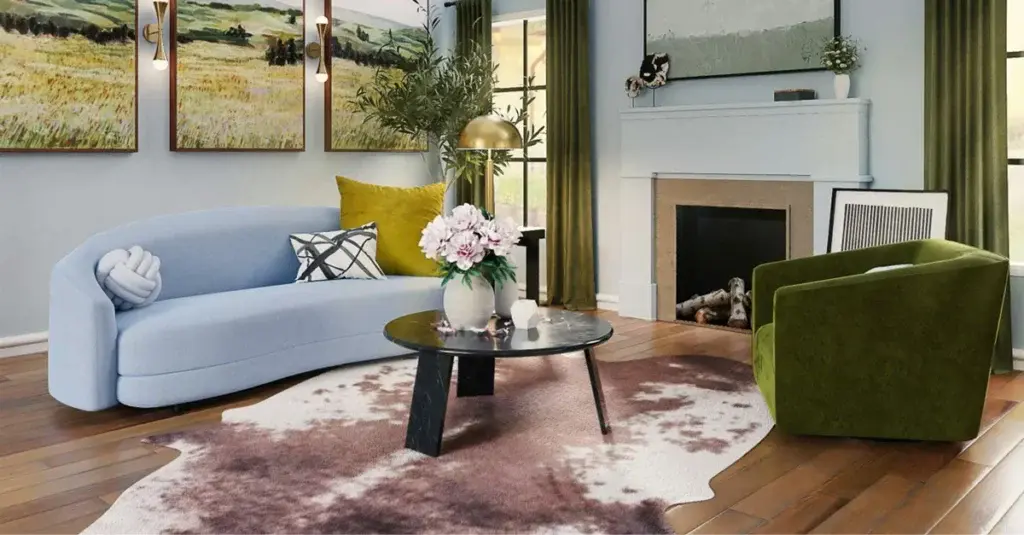
Image Credit: Unsplash / Spacejoy
Energy loss in homes rarely feels dramatic. Lights left on in empty rooms, appliances humming on standby, cooling systems running longer than necessary — these moments blend into daily life so completely that they stop registering as choices. Over time, they form a pattern of use that feels normal, even when it is excessive.
Smart and sustainable living begins by making these patterns visible without judgment. Supporting everyday energy use without overcorrection explores how energy can ease simply by aligning with normal household rhythm. The goal is not to monitor every watt, but to understand where energy flows automatically rather than intentionally. When usage is unconscious, waste becomes invisible. When it is noticed, even briefly, change becomes possible.
Many homes use far more energy than needed simply because systems were set once and never revisited. If this feels familiar, when home systems run longer than they need to explain how duration becomes the quiet source of excess. Schedules change, seasons shift, and household sizes evolve, but settings remain the same. Energy is still being spent on outdated assumptions. Recognising this mismatch is the first step toward smarter use. It allows energy decisions to reflect real life rather than habit alone.
Treating Electricity As A Shared Resource, Not An Unlimited Supply
Electricity often feels abstract. It arrives silently, works instantly, and disappears without a physical trace. Because it is invisible, it is easy to treat as unlimited. Smart and sustainable living reintroduces a sense of value to energy without creating anxiety. This does not mean constant restriction. It means acknowledging that electricity is a shared resource — one that carries environmental cost even when it feels convenient. When energy is valued, it is used more thoughtfully.
Homes that respect electricity tend to develop natural boundaries. Lights are used where they support activity, not habit. Devices are turned on with a purpose, not by default. Systems are allowed to rest. Over time, this mindset shifts energy use from automatic to intentional. Consumption drops without effort because behaviour aligns with need.
Lighting That Supports Activity, Not Background Habit
Lighting is one of the simplest areas where smart use can make a lasting difference. In many homes, lights remain on simply because they always have. Rooms stay illuminated even when no one is present, creating unnecessary energy draw throughout the day. Smart lighting does not require complex systems. It begins with matching light to activity. The same shift is explored in lighting habits that quietly reduce household energy demand, where brightness follows presence instead of lingering by default. Bright light where work happens. Soft light where rest is needed. No light where no one is present.
When lighting follows use rather than habit, energy waste reduces naturally. Rooms feel calmer. Visual noise decreases. The home becomes more responsive to the time of day and movement. Over time, this approach reduces reliance on constant illumination and encourages awareness of how space is actually used.
Appliances That Work When Needed — And Rest When Not
Modern homes rely heavily on appliances. Refrigerators, washing machines, dishwashers, electronics, and small devices form the backbone of daily convenience. Yet many of these continue to draw power even when inactive.
Smart and sustainable living encourages a relationship with appliances based on timing and necessity. Running machines during efficient cycles. Turning off devices fully rather than leaving them on standby. Grouping tasks to reduce repeated use.
This approach does not reduce comfort. It reduces redundancy. Appliances last longer when they are not overused. Energy demand stabilises when usage patterns are deliberate. Over time, appliances become tools rather than background noise — present when needed, quiet when not.
Cooling And Heating That Respond To Real Life
Temperature control is often the largest energy expense in a home. Systems run continuously, sometimes based on outdated schedules or habits that no longer reflect daily life. Smart and sustainable living approaches heating and cooling as responsive systems. Instead of maintaining constant settings, the temperature is adjusted based on occupancy, time of day, and season. Windows, curtains, and airflow are used to support comfort before mechanical systems are relied upon.
This does not mean tolerating discomfort. It means working with the home’s natural behaviour first. Allowing air to move. Using shade to manage heat. Layering clothing rather than immediately increasing energy output. When mechanical systems are used intentionally, energy demand drops and comfort often improves.
The Role Of Smart Technology — Helpful, Not Dominant
Technology can support energy efficiency when it aligns with real habits. Smart thermostats, timers, and energy monitors can reduce waste by automating decisions that would otherwise be forgotten. However, smart and sustainable living does not place technology at the centre. Tools are chosen to support awareness, not replace it. Systems should simplify life, not introduce new complexity or dependence.
The most effective smart tools are those that fade into the background. They operate quietly, adjust gently, and require minimal input once set. When technology demands constant attention, it often increases mental load rather than reducing it. Used thoughtfully, smart technology becomes a support layer rather than a control system.
Reducing Standby Power Without Chasing Perfection
Standby power — the energy used by devices that are “off but not off” — adds up quietly. Chargers left plugged in, electronics on standby, and unused equipment draw small amounts of power continuously.
Smart and sustainable living addresses this without rigidity. The focus is on identifying high-impact areas rather than eliminating every instance. Power strips, unplugging rarely used devices, and switching off unused equipment make a meaningful difference. This approach avoids obsession. It recognises that perfection is not required for progress. Reducing the largest sources of standby power delivers benefits without stress. Over time, these small adjustments become habitual, further lowering energy demand without effort.
Aligning Energy Use With Daily Rhythms
Every household has rhythms — mornings, evenings, weekends, quieter hours. Energy use often ignores these rhythms, remaining constant regardless of activity. Smart and sustainable living aligns energy use with how life actually unfolds. More energy where activity is concentrated. Less when the home is resting. Systems adapt to movement rather than forcing consistency. This alignment reduces waste and improves comfort. The home feels responsive rather than rigid. Energy use feels appropriate rather than excessive. When energy follows rhythm, sustainability becomes intuitive rather than managed.
Allowing Energy Awareness To Settle Naturally
The final shift in everyday energy use is subtle. Awareness replaces monitoring. Familiarity replaces effort. Over time, the home’s energy behaviour becomes predictable and calm. Lights are used intentionally. Systems rest when not needed. Appliances work efficiently without constant oversight. Energy becomes something the household works with, not something it fights. This is the essence of smart and sustainable energy use — not control, but cooperation.
A Gentle Place To Begin
Homes become easier to manage when daily habits reduce waste, energy use, and unnecessary effort.
Our Healthy Home Checklist brings together simple routines that support a cleaner and more sustainable home.
Leave your name and email below and the checklist will appear for you to download and keep it nearby as a gentle reminder.
Your email will only be used to share the checklist and occasional gentle notes on healthy home habits.
Section 3 — Water And Resource Use: Respect Without Restriction
Recognizing How Easily Water Blends Into Habit
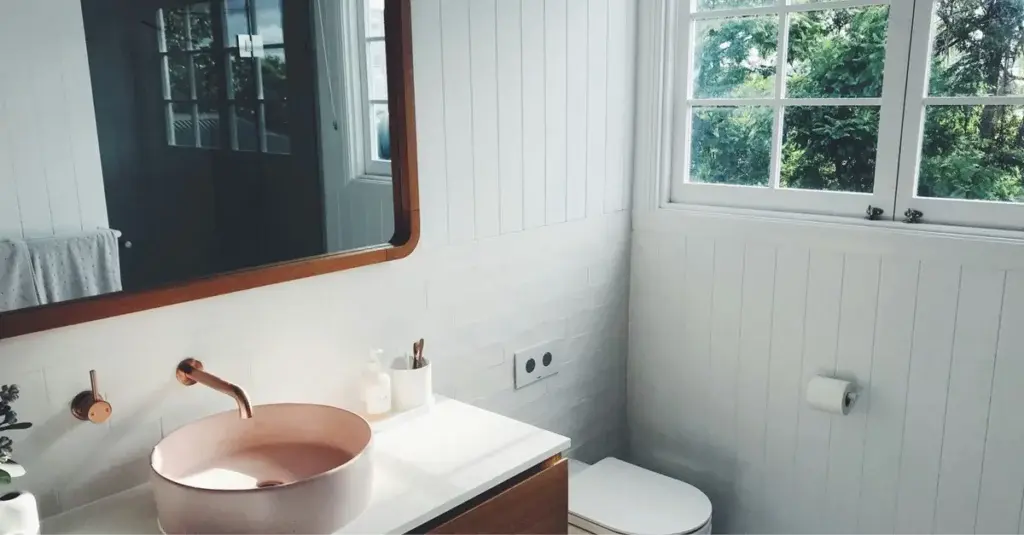
Image Credit: Unsplash / Cameron Smith
Water is one of the most quietly consumed resources in the home. It arrives instantly, flows without effort, and disappears just as easily. Because it is so accessible, its use often blends into routine without reflection. Taps are opened automatically. Showers run while attention drifts. Cleaning involves repeated rinsing without pause.
Smart and sustainable living begins by noticing how water fits into daily life, not by limiting it, but by understanding its patterns. Living with water use that doesn’t demand attention captures this kind of awareness without turning routines into self-checking. Most water waste is not intentional. It happens in moments of distraction, multitasking, or when a habit carried over from earlier routines takes over. When water is treated as background, its value becomes invisible.
Awareness does not require measurement or guilt. It requires presence. Simply noticing when water is flowing and why is often enough to begin change. Over time, this awareness gently reshapes behaviour, without pressure. A home that respects water does not feel restrictive. It feels attentive.
Shifting From “Use Freely” To “Use Purposefully”
For many households, water use is guided by convenience rather than intention. There is an assumption that because water is available, it should be used freely. Smart and sustainable living reframes this relationship without introducing scarcity thinking. Purposeful use means understanding the role water plays in each task. Washing, cooking, cleaning, and bathing all require water — but rarely as much as habit dictates. When purpose is clarified, excess falls away naturally.
This shift does not involve strict rules. It involves subtle pauses. Turning off the tap while adjusting something. Ending a shower when it has served its purpose. Choosing methods that clean effectively without continuous flow. Purpose replaces habit. Respect replaces excess. Water use becomes deliberate rather than automatic.
Everyday Cleaning Without Continuous Rinsing
Cleaning is one of the most water-intensive activities in the home, often without necessity. Sinks run while surfaces are wiped. Buckets are refilled repeatedly. Floors are rinsed more than required. Smart and sustainable living encourages cleaning methods that use water efficiently without reducing cleanliness. Damp cloths instead of running taps. Measure water for mopping instead of repeated rinsing. Spot cleaning rather than full washdowns.
These approaches do not compromise hygiene. They improve it by focusing their efforts where they are needed. Over time, they also reduce mess because cleaning becomes more targeted rather than excessive. As water use during cleaning becomes intentional, routines become quicker, calmer, and more sustainable.
Bathing And Personal Care As High-Impact Areas
Bathing routines shape household water use more than almost any other habit. Showers that run longer than needed, taps left flowing during personal care, and inefficient fixtures all contribute to unnecessary consumption. Smart and sustainable living approaches personal care with balance. Comfort is maintained, but attention is introduced. Showers can be restorative, but not endless. Taps are used when needed, not as background noise.
Small changes make meaningful differences. Ending a shower when warmth and cleanliness are achieved. Turning off the water while lathering or brushing. Being aware of flow rather than ignoring it. These shifts feel minor in isolation, yet they accumulate daily. Over time, they reshape household water demand without reducing comfort.
Understanding Water Waste Beyond The Tap
Water waste is not limited to what flows down drains. It also exists in food waste, excessive laundry, and repeated replacement of items that require water to produce. Smart and sustainable living broadens the definition of water use. When food is wasted, the water used to grow, transport, and prepare it is wasted as well. When clothing is washed unnecessarily, water is wasted. When items are replaced prematurely, hidden water costs accumulate.
This perspective encourages care rather than restriction. Washing only when needed. Storing food thoughtfully. Choosing durable items that reduce replacement cycles. Water conservation becomes integrated into everyday decisions, not isolated to the sink.
Reducing Waste At The Source, Not At The Bin
Waste often feels like something that must be managed after it appears. Bins are sorted. Recycling is organised. Disposal becomes a routine task. Smart and sustainable living shifts attention earlier in the cycle. Waste reduction begins before items enter the home. Choosing products with less packaging. Avoiding single-use items when alternatives exist. Buying only what will be used.
This approach reduces clutter and waste. Fewer items require storage. Fewer materials require disposal. The home becomes easier to maintain because fewer unnecessary things enter it. Over time, waste reduction becomes instinctive. Decisions are made with downstream impact in mind, without overthinking.
Laundry As A Resource-Heavy Routine
Laundry is often underestimated in its resource use. Water, energy, detergent, and time all converge in this routine, often more frequently than required. Smart and sustainable living encourages mindful laundry habits. Washing full loads instead of partial ones. Choosing appropriate cycles. Avoid unnecessary rewashing of lightly worn items.
Air drying, where possible, reduces both energy use and fabric wear. Clothes last longer. Water use decreases. Laundry becomes a steady rhythm rather than a constant task. This approach supports sustainability while also preserving clothing and simplifying routines.
Accepting That Not All Water Use Is Equal
Not all water use carries the same impact. Some activities are essential. Others are flexible. Smart and sustainable living recognises this distinction without judgment. Cooking, hygiene, and health-related needs are prioritised. Decorative or habitual use is examined more closely. This balance prevents sustainability from becoming rigid or uncomfortable. By accepting that some water use is necessary and valuable, the focus remains on reducing what does not serve wellbeing. Sustainability becomes humane rather than strict.
Letting Respect Replace Restriction
At its heart, sustainable water use is not about limits. It is about respect. Respect for a resource that supports life. Respect for systems that deliver it. Respect for the future households that will rely on it. When respect guides behaviour, restriction is no longer needed. Choices adjust naturally. Waste feels unnecessary rather than forbidden. The home settles into a rhythm where water is used thoughtfully, comfortably, and without excess. This is sustainability that lasts.
Section 4 — Waste, Consumption, And Everyday Choices That Accumulate
Understanding Waste As A Daily Pattern, Not An Event

Image Credit: Unsplash / fr0ggy5
Waste is often treated as an outcome rather than a process. Something is thrown away, and only then is it noticed. Bins are emptied, bags are tied, and the moment passes. Yet most waste is not created at the point of disposal. It is created much earlier, through small, repeated decisions that rarely feel significant at the time. How household waste forms before it reaches the bin traces those earlier moments where accumulation begins long before anything is thrown away.
Smart & sustainable living reframes waste as a daily pattern. Items enter the home, move through it briefly, and leave again. Packaging accumulates. Products are used once or twice and set aside. Leftovers are forgotten. These actions feel ordinary, yet together they form a cycle that requires constant management.
By viewing waste as a pattern rather than a problem, the focus shifts from managing bins to understanding behaviour. When patterns are seen clearly, they can be adjusted without effort or guilt. Waste naturally decreases, not because it is being controlled, but because it is no longer being created at the same rate.
Consumption That Happens Without Intention
Much of what enters a home arrives without conscious decision. Items are added because they are convenient, discounted, familiar, or expected. Over time, these choices accumulate, making them feel inevitable rather than chosen. Smart & sustainable living introduces intention into consumption. Before something enters the home, there is a brief pause. What purpose will this serve? How long will it stay in use? What will happen when it is no longer needed?
This pause does not eliminate enjoyment or comfort. It clarifies it. When items are chosen deliberately, they tend to be used fully. Storage becomes manageable. Replacement cycles are slow. Consumption becomes aligned with actual needs rather than habit or impulse.
Packaging As A Hidden Source Of Overload
Packaging often feels like an unavoidable byproduct of modern living. Boxes, wrappers, containers, and labels move through the home quickly, rarely noticed until disposal. Smart & sustainable living pays attention to packaging because it reveals how consumption is structured. Excess packaging creates immediate waste and contributes to clutter, even when items themselves are useful.
Choosing products with minimal or reusable packaging reduces this flow at the source. Refill options, bulk purchases, and simple containers decrease both waste and visual noise. Over time, homes with less packaging feel calmer. Storage areas remain clearer. Disposal routines become lighter.
Food Waste As A Resource Issue, Not A Failure
Food waste carries emotional weight. It can feel like a personal failure or a moral issue. Smart & sustainable living approaches food waste without blame, focusing instead on systems and habits. Most food waste results from over-purchasing, poor storage, or lack of visibility. Items are bought with good intentions, only to be forgotten. Leftovers are set aside and overlooked.
By adjusting planning and storage, waste is naturally reduced. Clear placement, realistic meal planning, and using what is visible first support sustainable food use without restriction. Food waste is treated as feedback, not failure. It shows where routines can be refined.
Single-Use Items And The Illusion Of Convenience
Single-use products are often marketed as time-savers. They promise ease, cleanliness, or efficiency. Yet they also create immediate waste and often require repeated purchases. Smart & sustainable living evaluates convenience more carefully. Does an item truly save time, or does it create ongoing consumption? Can a reusable alternative serve the same purpose without added effort?
Reusable options are chosen not for ideology, but for practicality. When they fit naturally into routines, they reduce waste and simplify restocking. Over time, the home relies less on disposables and more on stable, familiar tools.
Storage As A Mirror Of Consumption
Storage spaces quietly reflect consumption habits. Crowded cabinets, overfilled drawers, and forgotten shelves reveal how items accumulate faster than they are used. Smart & sustainable living treats storage as feedback rather than a challenge to overcome. When storage feels full, it signals a need to slow intake rather than expand capacity.
By intentionally sizing and making storage visible, consumption remains in balance. Items are easier to find, use, and maintain. Excess becomes noticeable sooner. This approach prevents clutter without requiring constant organising.
Repair, Reuse, And The Value Of Continuity
Modern consumption often assumes replacement as the default. Items break or wear down and are replaced without question. Smart & sustainable living reintroduces continuity into this cycle. Repair is viewed as a practical choice, not an inconvenience. Reuse becomes a habit rather than an exception. Items are valued for their ongoing function rather than their novelty.
This does not mean keeping everything indefinitely. It means extending usefulness where reasonable. Continuity reduces waste, conserves resources, and strengthens relationships with what is already owned. Over time, homes develop a sense of stability. Objects remain present long enough to become familiar and reliable.
Letting Reduction Be Gentle And Gradual
Reducing waste does not require a drastic change. Sudden purges, strict rules, or zero-waste targets often create fatigue rather than progress. Smart & sustainable living allows reduction to happen gradually. One category at a time. One habit at a time. Changes are tested and kept only if they fit comfortably. This gentleness ensures sustainability remains sustainable. Effort stays manageable. Motivation stays intact. Waste decreases because the home evolves, not because it is forced.
When Less Becomes Enough
As waste and consumption patterns shift, something subtle happens. The home begins to feel sufficient. There is enough without excess. Needs are met without overflow. This sense of enoughness reduces the impulse to add. Choices become calmer. The home supports daily life without constant adjustment. This is not minimalism as an aesthetic. It is a balance as a lived experience.
Section 5 — Long-Term Systems, Comfort, And Living With What Lasts
Understanding The Home As Something That Ages With You
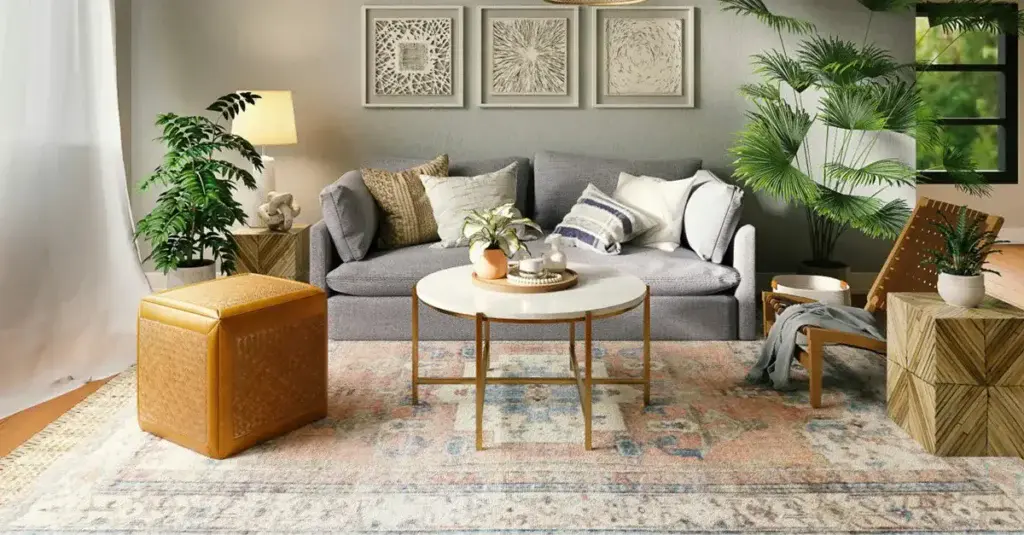
Image Credit: Unsplash / Spacejoy
Homes change in subtle ways as life inside them shifts. Routines adjust, priorities move, and daily patterns rarely stay fixed for long. Yet many homes continue operating as though nothing has changed. Systems are put in place at one moment and left to carry on unchanged, even as everyday life slowly takes a different shape.
Smart & sustainable living recognizes that a home should age alongside its occupants. When home systems age better than expected shows why steadier use often preserves performance longer than upgrades do. Systems that once made sense may eventually require adjustment, not because they failed, but because life changed. Heating patterns that worked for a full household may not suit quieter years. Storage needs shift. Comfort priorities adjust.
By allowing systems to evolve instead of resisting change, the home remains supportive rather than restrictive. Sustainability here means flexibility — building a home that can adapt without constant replacement or disruption.
Comfort As Something That Should Not Require Constant Effort
True comfort does not need to be maintained aggressively. When a home requires constant adjustment — changing settings, moving items, correcting temperature, managing noise — it creates background strain that often goes unnoticed until fatigue sets in.
Smart and sustainable living defines comfort as something that holds steady. Temperature remains reasonable without constant intervention. The air feels breathable without machines running all day. Spaces feel usable without rearrangement.
This level of comfort is achieved not through excess systems, but through alignment. Curtains are used to manage light and heat. Ventilation is allowed to work naturally where possible. Furniture placement supports flow rather than blocking it. Over time, the home becomes predictable in a reassuring way. Comfort is present without effort, and energy is preserved because systems are not constantly fighting the space.
Choosing Systems That Support Longevity, Not Novelty
Many home upgrades are driven by novelty. New features promise convenience or efficiency but often introduce complexity that shortens their useful life. When systems become outdated quickly, replacement becomes inevitable, increasing cost and waste. Smart and sustainable living places longevity above novelty. Systems are chosen for durability, repairability, and relevance over time. A slightly simpler solution that lasts longer often proves more sustainable than an advanced one that requires frequent updates or specialised maintenance.
This mindset slows the replacement cycle. Homes stabilise instead of constantly resetting. Familiar systems build confidence and ease because they are understood and trusted. Longevity also supports sustainability emotionally. When the home is not constantly changing, it feels grounded. The environment becomes something lived in, not managed.
Allowing Passive Design To Do Quiet Work
Not every comfort problem requires an active solution. Many homes rely heavily on mechanical systems while overlooking passive supports that work continuously without energy input. Smart and sustainable living values passive design — using light, airflow, materials, and layout to support comfort naturally. Windows are opened strategically. Curtains are drawn with intention. Spaces are arranged to allow air and movement rather than resist them.
These adjustments often feel subtle, yet their impact accumulates. Rooms stay cooler or warmer with less intervention. The air feels fresher. Noise softens. Energy demand decreases without noticeable sacrifice. When passive elements are respected, active systems become secondary rather than dominant. The home works with its environment instead of against it.
Technology As A Support Layer, Not The Foundation
Technology has a place in sustainable living, but it works best when layered onto a thoughtful base rather than used as a replacement for awareness. Smart systems are most effective when they support habits that already make sense. A thermostat that adjusts gently is helpful when temperature preferences are understood. Timers work best when daily rhythms are stable. Monitoring tools are useful when they inform decisions rather than demand constant attention.
Smart and sustainable living avoids turning the home into a control centre. Technology is used sparingly, chosen carefully, and allowed to operate quietly. When tools become intrusive, they undermine the calm they were meant to create. The goal is not a “smart home” in name, but a home that feels smart to live in.
Maintenance As An Ongoing Relationship, Not A Crisis Response
In many homes, maintenance happens reactively. Something breaks, fails, or becomes uncomfortable, and attention is forced upon it. This cycle creates disruption and often leads to rushed decisions that prioritise speed over sustainability. Smart and sustainable living reframes maintenance as an ongoing relationship. Small issues are noticed early. Systems are checked occasionally, not obsessively. Care happens in moments, not in emergencies. This approach extends the life of systems and reduces waste. Repairs are simpler. Replacements are less frequent. Costs are spread rather than sudden. Maintenance becomes part of living with the home, not something separate from it.
Designing For Use, Not For Appearance Alone
Homes are often shaped by how they are meant to look rather than how they are meant to function. While aesthetics matter, prioritising appearance without considering use often leads to inefficiency and frustration. Smart and sustainable living designs for use first. Spaces are arranged to support daily movement. Storage is placed where items are actually needed. Comfort is prioritised over visual perfection.
When design aligns with use, waste reduces naturally. Items are used fully. Spaces remain adaptable. The home feels forgiving rather than demanding. Appearance then becomes a reflection of function rather than a goal in itself.
Letting Systems Fade Into The Background
The most sustainable systems are often the least noticeable. They do their work quietly and consistently, without asking for attention. When systems require constant adjustment or awareness, they add cognitive load. Smart and sustainable living values systems that fade into the background. Heating works without fuss. Lighting supports activity without distraction. Water systems operate efficiently without thought. This invisibility is not neglect. It is a sign of alignment. When systems are well-matched to the home and its occupants, they no longer compete for focus. The home becomes a place to live, not to manage.
Living With What Lasts
At its deepest level, Smart and sustainable living is about choosing what lasts — not just materially, but emotionally. Systems that remain useful. Habits that remain realistic. Comfort that remains steady. A home built around longevity feels different. It is quieter. More predictable. Less demanding. It does not require constant upgrading or optimisation to remain functional. This kind of sustainability supports daily life without drawing attention to itself. It holds space rather than fills it. It allows people to live fully inside it without being consumed by its upkeep. That is the quiet success of a smart, sustainable home.
Living Gently With What Supports You
A smart and sustainable home does not announce itself. It does not demand attention or constant adjustment. It simply works — quietly, steadily, and in ways that feel supportive rather than draining. Over time, the home becomes easier to move through, easier to care for, and easier to live in.
When resources are used thoughtfully, effort softens. Energy is not spent correcting what could have been prevented. Water flows where it is needed and rests where it is not. Items remain useful long enough to feel familiar, not temporary. Systems hold their place instead of competing for focus.
This way of living grows slowly. It forms through small choices repeated until they no longer feel like choices at all. Nothing here requires perfection. Nothing depends on constant awareness. Sustainability settles in because the home and its habits begin to align.
What remains is a sense of steadiness. A home that does not ask for more than it gives. A space that supports daily life without excess, without urgency, without noise. That quiet balance is often the clearest sign that something is working — and that it can continue, gently, for a long time.
Free MEPSR Living Resource
Simple Habits Worth Keeping
Homes become easier to manage when everyday routines reduce waste, energy use, and unnecessary effort.
Our Healthy Home Checklist gathers practical habits that help homes stay cleaner, calmer, and more sustainable.
Inside the checklist you’ll find reminders like:
- Reduce waste through simple kitchen routines
- Maintain energy-saving habits around the home
- Keep everyday systems running smoothly with small checks
Leave your name and email below and the checklist will appear for you to download and keep it nearby as a gentle reminder.
Your email will only be used to share the checklist and occasional gentle notes on healthy home habits.