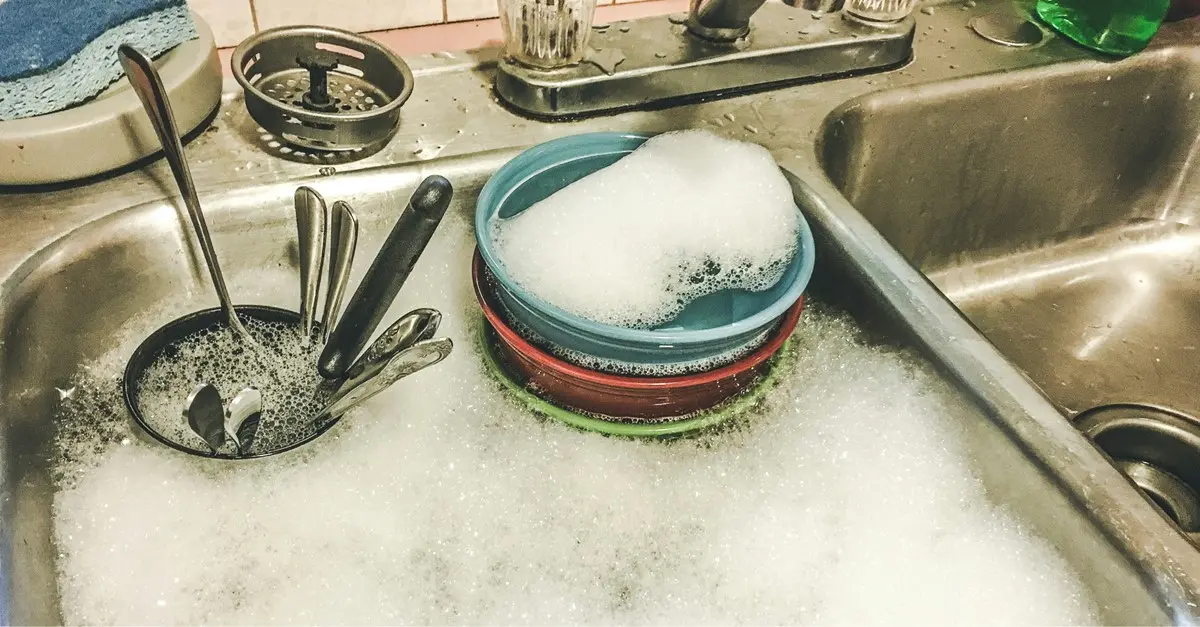
Dishes are one of the fastest ways a kitchen can begin to feel overwhelming. A few plates left after breakfast, a mug by the sink, a pan waiting from lunch — none of it feels serious on its own. Yet by the end of the day, the sink can feel crowded and uninviting, even if no heavy cooking happened.
Simple dish habits that reduce sink stress focus on keeping the sink usable throughout the day. They are not about washing everything immediately. They are about preventing dishes from spreading, piling up, and becoming an end-of-day burden that feels larger than it should. When the sink stays open and workable, the kitchen feels calmer, even when dishes are still waiting. This quiet purpose is what keeps the kitchen usable while daily life continues.
Why The Sink Shapes How The Kitchen Feels
The sink is the most active point in the kitchen. It collects what cooking leaves behind and quietly reflects how manageable the space feels. When the sink remains usable, the kitchen stays functional, even if dishes are present.
Stress often comes not from the number of dishes, but from how they accumulate. When dishes block the drain, fill the basin, or spill onto nearby surfaces, the kitchen begins to feel closed off — a pattern explored throughout our Kitchen Habits approach. The aim of daily dish habits is not to keep the sink empty, but to keep it open. When the sink is usable, other tasks feel easier. When it is blocked, even small actions begin to feel heavy.
Containment And Rinsing As Daily Anchors
Containment is the first habit that reduces sink stress. It means deciding where dishes belong while they wait. Without clear boundaries, dishes migrate onto counters, into corners, or into awkward stacks that make the space feel cluttered.
Rinsing supports this containment. The same quiet prevention seen in daily kitchen habits that prevent grease buildup protects nearby surfaces before residue settles. A quick rinse removes residue that hardens over time and creates resistance later. Plates with dried food or sticky sauces feel heavier to deal with, both physically and mentally. Rinsing keeps dishes neutral rather than problematic.
Simple daily habits that support both containment and rinsing include:
- Choosing one side of the sink or a defined area for waiting for dishes.
- Using the basin as a holding space without blocking the drain.
- Giving dishes a quick rinse after use, even when washing is postponed.
When dishes are rinsed and contained, they feel temporary. The sink remains functional, water can flow, and smells stay minimal. This shortens the mental distance between “waiting dishes” and “done dishes” without requiring immediate action.
Keeping The Sink Functional Throughout The Day
One of the fastest ways stress builds is when the drain becomes blocked. Even a small obstruction makes the sink feel unusable. Water pools, rinsing becomes difficult, and the space begins to feel neglected.
A simple habit of leaving the drain area clear changes how the sink functions throughout the day. It allows quick rinses, makes handwashing easy, and prevents water from collecting around dishes. This keeps the sink active rather than stagnant.
Small resets also play a role here. Dish stress often peaks not because of volume, but because dishes have been left untouched for too long. A brief reset — stacking dishes neatly, clearing one basin, or moving a few items to the dishwasher or drying rack — restores both visual and functional order. These moments take little time, but they interrupt the buildup before it becomes overwhelming.
The Timing Of Simple Dish Habits That Reduce Daily Stress
End-of-day dish stress often forms because everything waits until the same moment — the quiet pattern described in why “I will do it later” makes home care hard. The sink fills, energy drops, and cleanup feels disproportionate to the day’s activity.
Spacing attention earlier reduces this pressure. A short pause after meals, a quick check before evening cooking, or a light clearing of the sink before rest spreads effort more evenly across the day. These are not schedules or rules. They are gentle interruptions that prevent accumulation. When dishes are addressed in small moments, the sink rarely reaches a breaking point.
Letting “Usable” Replace “Empty”
Simple dish habits work best when they protect usability rather than aiming for an empty sink. One of the most helpful shifts in dish habits is redefining success. A sink does not need to be empty to feel acceptable. It needs to be usable.
When water can flow, surfaces are accessible, and dishes are contained, the kitchen remains functional. This removes the urgency that often leads to stress-based cleaning. Simple dish habits that reduce sink stress support usability first, reflecting the quiet role of daily care within the wider Home Habits system.
Even households that wash dishes every night experience sink stress during the day. When dishes are lightly managed throughout the afternoon, the evening home reset for a calm night feels lighter, as less remains to be carried forward. The issue is not the washing frequency, but how dishes behave between washes. When dishes are rinsed, contained, and reset lightly, the final cleanup feels smaller. There is less scraping, less rearranging, and less resistance.
The sink does not need constant control to stay manageable. It needs guidance. When dishes are directed rather than ignored, the kitchen feels lighter throughout the day. The space remains open, functional, and easier to live in — even when dishes are still waiting to be washed.
Over time, simple dish habits become less about managing dishes and more about protecting how the kitchen feels. When attention is given in small moments, stress does not get the chance to build.