
The Heart of Eco Cleaning: A Calm Path to a Cleaner Home
Eco cleaning begins with a simple idea: your home should support you, not overwhelm you. A cleaner home is not created through force, strong smells, or aggressive products. It grows from small, thoughtful habits that protect your space and the people who live in it. When cleaning becomes gentle and intentional, the home starts to feel lighter, safer, and more peaceful.
For many people, household cleaning gradually becomes complicated. Shelves fill with different sprays, each promising a specific result. Floors get sticky despite frequent mopping. Kitchens look clean but never quite feel fresh. Bathrooms demand constant attention. Over time, cleaning starts to feel like an endless cycle rather than a supportive routine.
Eco cleaning offers a different way. It does not ask you to work harder. It asks you to work more simply.
This guide is meant to be your home base for natural cleaning. It covers every room, every need, and every situation, with clear explanations and practical methods that work in real homes with real daily messes. The goal is not perfection. The goal is to help you build a steady, realistic approach that leads you naturally toward a cleaner home without stress, harsh chemicals, or sensory overload.
How This Guide Is Structured
To make everything easy to follow, this complete Eco Cleaning Guide is structured into six clear, practical sections. Each section focuses on one area of your home and one part of the cleaning routine, so you can move through the guide step by step, return to specific regions whenever needed, and learn at your own pace.
The six sections included in this guide are:
- The Core Essentials of Eco Cleaning
- How to Clean Floors Naturally
- Eco Cleaning in the Kitchen
- Eco Cleaning in the Bathroom
- Eco Cleaning for Laundry
- Natural Odor Control, Low-Waste Habits, Safety, and Mindset
Together, these sections form one complete system that supports a cleaner home from the inside out.
Explore Eco Cleaning by Area
Each part of the home responds best to its own gentle care. You can explore Eco Cleaning in more detail through these focused category guides:
What Eco Cleaning Really Means
Eco cleaning is often misunderstood as simply replacing one product with another. In truth, it is deeper than that. It is a shift in how you relate to your home. Instead of reacting to mess with harsh chemicals, eco cleaning teaches you how to prevent buildup gently, care for surfaces with respect, and keep your space balanced through steady habits.
It values air quality as much as shine, comfort as much as appearance, and long-term health over short-term gloss.
Eco cleaning does not remove the need for effort, but it eliminates the struggle of constantly battling mess. It turns cleaning into maintenance rather than repair.
Why Fewer Ingredients Create Better Results
Many of the cleaning frustrations people experience come from using too many different products at once. Layers of chemicals interact, leave behind residue, and make surfaces harder to clean over time. Eco cleaning works from the opposite direction. By limiting ingredients to a small, trusted group, surfaces stay clearer and easier to maintain.
Warm water becomes your base. Gentle soap lifts dirt without stripping surfaces. Natural acids loosen residue without damaging finishes. Mild abrasives remove buildup without scratching.
With these few tools, most household messes can be handled confidently. The home becomes simpler to care for because nothing is fighting against what was used before.
The Emotional Power of a Gently Maintained Home
A home not only affects the body. It also affects the mind. Constant clutter, sticky surfaces, lingering odors, and unfinished cleaning tasks quietly create mental fatigue. Even when we do not consciously notice it, this background stress shapes how we feel in our own space.
Eco cleaning supports emotional calm by introducing predictability and softness into home care. When routines are light and consistent, mess never grows large enough to feel overwhelming. The home feels cared for rather than managed. This emotional shift is one of the most meaningful outcomes of eco cleaning.
Eco Cleaning as a Long-Term Lifestyle
Eco cleaning is not a temporary challenge or a strict rulebook. It is designed to grow with your life. There will be busy seasons when routines loosen. There will be quiet seasons when deeper care feels enjoyable. Eco cleaning allows both. It offers structure without rigidity.
As habits settle into place, the home begins to respond. Surfaces become easier to wipe. Fabrics stay fresher longer. Odors fade more quickly. Cleaning stops feeling urgent and starts feeling natural. This is how a cleaner home is sustained, not through intensity, but through steadiness.
Section 1 — The Core Essentials of Eco Cleaning
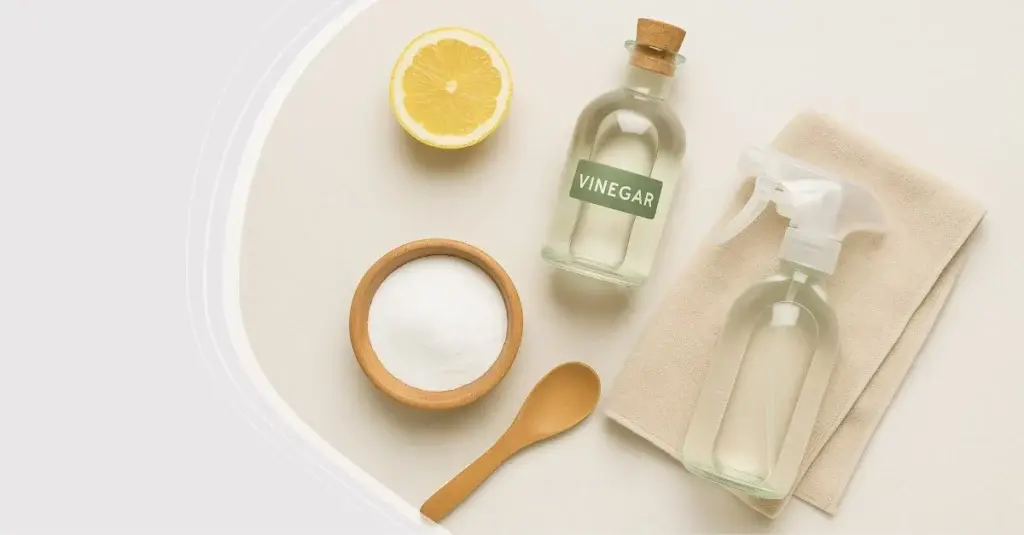
Once you understand the mindset behind eco cleaning, the next step is getting familiar with the small set of ingredients and tools that quietly support the whole system. These are not exotic or complicated. In most cases, they are simple items you may already have at home but never thought of as the main pillars of your cleaning routine.
The power of eco cleaning comes from knowing what each of these essentials does, where it works best, and how to use it without overthinking. When you become comfortable with them, you realise how little you actually need to care for your entire home.
Baking Soda: The Soft Scrub That Lifts What Wiping Leaves Behind
Baking soda is often underestimated because it looks so plain. Yet it plays a key role in eco cleaning. It sits in the middle ground between gentle and effective. It is soft enough to use on many surfaces without scratching, but strong enough to lift what ordinary wiping leaves behind.
You notice its value most on those surfaces that never feel quite right, even after cleaning. A sink that looks clean but still feels slightly greasy. A tile edge that always seems dull. A patch of floor that remains a little tacky no matter how often it is mopped. Baking soda gently disrupts the film that causes these sensations.
Instead of attacking dirt with force, it works like a fine polishing powder, helping loosen grime, old soap, and light stains. It shines on stovetops, stainless steel sinks, and the inside of ovens, and in bathrooms on tiles, grout, and tubs. Sprinkled lightly and worked with a damp cloth or sponge, it becomes a soft scrub that leaves surfaces feeling genuinely fresh rather than just visually clean.
White Vinegar: The Everyday Helper for Soap and Mineral Buildup
If baking soda handles what you can feel, vinegar handles what you can see but cannot quite remove, such as glass that keeps streaking, taps that gather a white crust, and shower screens that develop a cloudy film. All of these are usually the result of hard water minerals and old soap that repeatedly dry on the surface.
Vinegar cuts through this kind of residue in a calm, steady way. Combined with lemon, it becomes a simple vinegar and lemon cleaner that works gently across many everyday surfaces. It does not need to be aggressive. It simply dissolves what water alone cannot move. When it is diluted with warm water and used thoughtfully, it clears soap film from bathroom tiles, brightens glass, refreshes kettles, and helps dishwashers and washing machines shed hidden buildup.
Used too often or on the wrong materials, vinegar can be harsh. This is why eco cleaning treats it with respect. It is kept away from natural stone, unsealed wood, and delicate finishes, and used more like a targeted tool than a universal spray. When handled with this awareness, it becomes one of the most reliable essentials in your cabinet.
Castile Soap: The Gentle Base That Replaces Dozens of Bottles
Castile soap is often described as a “simple soap,” but in practice, it behaves like a quiet multitasker. Made from plant oils, it creates a soft lather that lifts everyday dirt, oils, and light grease without leaving the sharp chemical feel that many conventional cleaners do.
It can be diluted for all-purpose sprays, used for mopping floors, added in small amounts to laundry, or applied directly to fresh stains on fabrics before washing. Because it is so concentrated, only a little is needed. Too much will leave residue, but the right amount leaves surfaces and fabrics feeling clean and natural.
What makes castile soap so valuable is not only its cleaning ability but also how it simplifies your product collection. A single bottle, used in different dilutions, can replace several specialised cleaners. This reduces clutter and makes your choices easier. When you reach for the same trusted base again and again, your routines become smoother and more predictable.
Lemon: Brightness, Freshness, and Soft Cleaning Power
Lemon sits somewhere between cleaner and companion. It is not always the main ingredient, but it quietly enhances everything around it. The natural acidity in lemon juice helps dissolve light grease and stains, especially on glass, cutting boards, and food containers that hold onto strong smells. Its scent gives a feeling of brightness that does not come from perfume, but from a real fruit.
Lemon works well in fridges to neutralise odours, in microwaves to loosen dried splashes, and in bowls or simmering water to gently freshen the air. It is also a helpful partner when soaking lightly stained white fabrics that need encouragement to regain their softness and lightness.
At the same time, lemon is handled with the same care as vinegar. Its acidity means it is not used on delicate stone surfaces or sensitive finishes. Eco cleaning uses its strengths without asking it to do what it was never meant to do.
Hydrogen Peroxide (3%): A Quiet Option When You Need More Than Soap and Vinegar
Most of eco cleaning can be handled with the first three essentials: baking soda, vinegar, and castile soap, with lemon as a supportive extra. But there are moments when you need something that goes a little deeper, particularly in bathrooms, drains, and areas where moisture lingers.
Hydrogen peroxide at 3% strength offers a way to disinfect lightly without the fumes and sharpness of bleach. It breaks down into water and oxygen, which is why many eco-conscious homes are comfortable including it in their toolkit. It is beneficial for treating mold spots on grout, freshening certain areas around toilets, and supporting overall hygiene in damp spaces.
Because it is still a cleaning agent, it is stored carefully, kept out of children’s reach, and never treated as harmless. It is used in small, specific ways rather than sprayed indiscriminately. In this role, it becomes a quiet ally for those situations where soap, water, and vinegar are not quite enough.
Essential Oils: Optional Extras for Scent and Light Support
Essential oils are not required for cleaning power, but they can add a gentle layer of comfort when used with discretion. A few drops of lavender in a fabric spray, lemon in a kitchen wipe mix, or eucalyptus in a bathroom freshening blend create a soft, natural scent that lifts a room’s mood without overwhelming it.
Eco cleaning treats essential oils like seasoning in a recipe—something to use lightly and intentionally. They are never poured directly onto surfaces in large amounts, and they are kept away from baby items, pet areas, and sensitive skin. When used wisely, they add character and pleasure to routines that might otherwise feel purely practical.
Simple Tools That Really Work
The final piece of the eco cleaning essentials is not an ingredient, but the tools you choose. Many of the most effective tools are simple: a few well-washing microfiber cloths, a comfortable mop with reusable pads, an old toothbrush for corners and grout, a soft scrub sponge, and one or two good spray bottles.
These are not gadgets. They are quiet helpers that turn your chosen ingredients into action. A soft cloth allows you to wipe without scratching. A well-wrung mop prevents streaks and soggy floors. A toothbrush reaches into places your hands cannot. When you have a small set of tools that you genuinely like using, cleaning becomes less of a task and more of a familiar routine.
Bringing the Essentials Together
These essentials—baking soda, vinegar, castile soap, lemon, hydrogen peroxide, optional essential oils, and a handful of reliable tools—form the base of everything that follows in this guide. They appear again and again in different rooms and situations, always in slightly different roles, yet with the same purpose: to make caring for your home simpler, gentler, and more sustainable.
Once you are comfortable with them, each later section of this guide will feel less like a set of instructions and more like a natural extension of what you already know. The details will change from floor to floor, kitchen to kitchen, bathroom to bathroom, and laundry to laundry, but the heart of your eco cleaning kit will stay reassuringly the same.
With these essentials in place, everything ahead in this guide begins to feel easier and more familiar. The same few ingredients and tools will now follow you from room to room, starting with the floors beneath your feet.
Natural Cleaning Compatibility Chart (Visual Guide)
Natural cleaning becomes much easier when you understand which ingredients work safely on different surfaces. This visual guide shows where common natural cleaners like vinegar, baking soda, lemon, and castile soap can be used — and where they should be avoided.

Section 2 — How to Clean Floors Naturally

Image Credit: Unsplash / Bailey Alexander
Floors influence the entire mood of a home in quiet but powerful ways. Even when furniture is tidy, and counters are clean, dusty, sticky, or dull floors make everything feel unsettled. Because floors cover such a large surface area, they collect more than we realize each day—footprints, fine dust, cooking oils drifting from the kitchen, moisture from the bathroom, and tiny particles carried in from outside. For a closer look at how fine particles build up indoors and how everyday routines help keep them under control, see how to reduce dust naturally at home. When this buildup is allowed to layer, the home starts to feel heavier, even if it still looks visually neat.
Eco cleaning approaches floor care with consistency rather than force. Instead of chasing shine with strong detergents or leaving behind residue that attracts even more dirt, the focus stays on gentle solutions that rinse clean and support the natural texture of each surface. Over time, floors become easier to maintain, not harder.
Why Floors Often Feel Sticky Even After Mopping
One of the most common frustrations people have with floors is that lingering sticky feeling that remains even after they have just been cleaned. This usually comes from old soap residue rather than new dirt. When too much detergent is used or when different commercial floor cleaners are layered over time, a thin film stays behind. Dust, skin oils, and moisture cling to this film, creating that uncomfortable texture underfoot.
Natural cleaning works in the opposite direction. By using very mild solutions and rinsing regularly, residue slowly breaks down instead of building up. After a few consistent cleans, the sticky sensation disappears, and floors begin to feel smooth again.
Living With Tile Floors in a Gentle Way
Tile floors are strong and forgiving, yet they easily show dullness from water spots and soap residue. Kitchens and bathrooms are especially prone to this. When tile is cared for gently and consistently, its natural brightness shines without the need for glossy coatings.
Warm water softens surface grime, and gentle natural ingredients loosen oils without scratching. When mops are damp rather than dripping, streaking disappears. Drying tiles naturally or allowing air to move through the space helps prevent cloudy marks from reappearing.
Over time, tile that is cleaned this way holds its original look far better than tile scrubbed repeatedly with harsh detergents. The surface feels solid rather than coated, and the room feels lighter as a result.
Dealing With Persistent Sticky Patches
Certain areas of the home are more prone to stubborn patches than others. The space near the stove, around the dining table, in front of the refrigerator, and in children’s play areas often collects a mix of food residue and detergent film. These spots can recur even when only water is used.
Gentle natural scrubs break this cycle slowly. Warm solutions soften what is stuck, while mild abrasives lift residue without damaging the floor underneath. Once the underlying film is removed, the sticky patch finally stops returning.
This slow correction feels more sustainable than aggressive scrubbing, which may remove the top layer but often leaves residue beneath.
Caring for Wood Floors With Respect
Wood floors change how a home feels. They add warmth, softness, and calm, but they also require more care than tile. Water, acidity, and abrasives can quickly damage wood when misused. Because of this, many people feel anxious about cleaning wood at all.
Natural methods offer reassurance. Small amounts of gentle soap dissolved in warm water clean the surface without soaking it. Lightly damp mopping, followed by immediate drying, protects the finish and prevents moisture from seeping into the grain. When treated this way, wood floors remain smooth, balanced, and quietly polished without feeling slippery or artificial.
Over time, this gentle care preserves the wood’s appearance and integrity, allowing it to age naturally rather than wear unevenly from harsh treatment.
Daily Floor Habits That Prevent Heavy Cleaning
One of the most effective floor-care habits is also one of the simplest. Removing crumbs, dust, and loose dirt daily prevents it from being ground into the surface. Brushing, sweeping, or quick vacuuming takes very little time but dramatically reduces the need for intensive mopping later.
Spills cleaned while still fresh rarely leave marks behind. Footprints wiped before they dry do not become stubborn stains. These small actions keep the surface clean at its core rather than constantly correcting visible mess.
Weekly Floor Care as a Quiet Reset
Weekly floor cleaning works best when it feels like a reset rather than a battle. When daily habits are in place, weekly mopping becomes light and steady rather than exhausting. Residue lifts easily, and floors dry more quickly because surfaces are not overloaded with built-up dirt.
This consistency makes the home feel cared for without demanding large blocks of time. Floor care becomes something that supports the rhythm of the week rather than interrupting it.
The Emotional Weight of Dirty Floors
Floors carry emotional weight in subtle ways. When they feel sticky, dusty, or neglected, the whole house feels unsettled. When they feel clean and solid underfoot, the mind relaxes without consciously noticing why. Walking barefoot becomes comfortable. Children play more freely on the floor. Quiet moments feel calmer.
Eco cleaning supports this emotional comfort by removing the harsh extremes. It replaces heavy smells with neutral air. It replaces slippery coatings with a natural texture. It replaces effort with steadiness.
The Quiet Foundation Beneath Daily Life
Natural floor care is not about chasing surface-level shine. It is about maintaining the feel, balance, and comfort of the spaces where daily life unfolds. Through gentle daily habits, mindful weekly resets, and respectful care of different surfaces, floors remain clean without becoming fragile. Over time, they quietly and reliably support the home, forming a steady foundation for everything that happens above them. For practical, room-specific methods and safe ingredient combinations, explore our complete guide to eco-friendly floor cleaning.
Section 3 — Eco Cleaning in the Kitchen

Image Credit: Unsplash / Chastity Cortijo
The kitchen is the heart of daily life. It is where meals are prepared, conversations happen, and the household’s pace often feels the most active. It is also the space where mess appears fastest. Grease settles on surfaces, food particles hide in corners, moisture lingers near sinks, and odors build up more quickly than in any other room. Because of this, many people feel that the kitchen never truly stays clean for long.
Eco cleaning transforms the kitchen by shifting the focus from harsh products to steady, gentle care. Instead of reacting to a heavy mess, cleaning becomes part of the natural rhythm of cooking and living. Over time, this creates a space that feels lighter, calmer, and far easier to maintain.
Why the Kitchen Feels Hard to Keep Clean
Kitchen dirt is a combination of oil, food residue, moisture, and heat. When oil settles on counters and cabinets, it traps dust. When food splatters dry, it hardens. When moisture remains around sinks and taps, mineral spots appear. These layers slowly build until wiping becomes ineffective, and surfaces take on a sticky or dull texture.
Another reason kitchens feel difficult to manage is the number of products people often use. Different sprays for different surfaces leave behind mixed residues that interact unpredictably. This residue then attracts new dirt even faster. Eco cleaning simplifies this by using fewer ingredients that rinse cleanly and do not build up over time.
Daily Counter Care as a Gentle Habit
Kitchen counters are touched constantly throughout the day. A simple wipe after meal preparation prevents visible messes from becoming stubborn stains later. Warm water, mild soap, and gentle acids handle most kitchen residue without overwhelming the surface or the air.
Over time, this daily care changes how the kitchen feels. Instead of needing heavy end-of-day scrubbing, the space quietly resets itself after each use. Surfaces remain smooth rather than sticky, and the visual clutter of dried splashes disappears before it hardens.
Handling Grease Without Harsh Scrubbing
Grease develops slowly. It is often invisible at first, settling as a thin film on stovetops, backsplashes, cabinet handles, and range hoods. When left untouched, it thickens and darkens. Many people only notice it once it’s already difficult to remove.
Gentle cleaners dissolve this greasy film when used regularly. Cabinet surfaces, in particular, benefit from methods that show how to remove grease naturally from kitchen cabinets without damaging painted or wooden finishes. Instead of scraping hardened oil, a soft wipe with a warm solution loosens it before it becomes a layer. This approach protects surfaces, especially painted cabinets and stainless steel, from scratches and long-term damage.
Stovetops as the Center of Kitchen Buildup
Stovetops collect the most concentrated combination of heat, oil, and food splatter. Because of this, they tend to discourage people when cleaning feels difficult. Glass surfaces grow cloudy. Gas burners darken around the edges. Knobs become sticky to the touch.
When grime is allowed to cool and settle repeatedly, it bonds with the surface. Regular light cleaning prevents this bond from forming. Warm water, gentle scrubbing, and soft natural abrasives remove residue while protecting the finish underneath. Over time, the stovetop stays visually calm instead of constantly looking worn or greasy.
Grease buildup on cooking surfaces is common in busy kitchens, and using a natural stove-top degreaser helps lift oily residue safely without harsh chemicals.
Oven Cleaning Without Heavy Fumes
Ovens hold months of baked-on residue. Each spill that is not wiped while fresh becomes part of a growing layer that slowly darkens the interior. Harsh oven cleaners work quickly but fill the kitchen with fumes that irritate the eyes, lungs, and skin.
Natural methods take more time but feel far gentler. Soft pastes applied and left to work slowly lift old buildup without releasing strong smells. This allows oven cleaning to happen without turning it into a stressful event. Over time, the oven becomes easier to maintain because residue never reaches the stage of extreme buildup again.
The Quiet Role of the Refrigerator
The refrigerator quietly influences the entire mood of the kitchen. Even when it looks clean, trapped moisture and hidden spills can create lingering smells. These odors spread each time the door opens, blending with cooking smells in a way that makes the whole room feel off.
Regular wiping of shelves and drawers prevents this. Removing expired food weekly prevents forgotten odors from forming. Natural deodorizers placed inside absorb smells silently without adding artificial fragrance. A refrigerator maintained this way supports the kitchen’s overall freshness without ever drawing attention to itself.
Dishwashers and Hidden Residue
Dishwashers clean the dishes we eat from, yet they often collect hidden buildup of food particles, soap scum, and minerals. When this inside residue grows unseen, it begins to affect the smell of dishes and the efficiency of washing cycles.
Gentle internal cleaning and switching to a more natural dish soap dissolve this buildup without damaging internal components. When done regularly, dishes dry without cloudy spots, and the machine itself smells clean rather than damp. This quiet maintenance prevents the frustration that comes when clean dishes do not feel truly fresh.
Sink Areas and Drain Care
The sink is one of the most active points in the kitchen. Water, food scraps, oils, and detergents constantly pass through it. Residue forms not only on the visible basin but also inside drains, where odors begin without being seen.
Light daily rinsing, gentle scrubbing, and regular drain freshening prevent slow buildup. When this becomes a habit rather than an occasional reaction to bad smells, the sink area stays neutral rather than becoming a source of discomfort in the kitchen.
Kitchen Air and the Feeling of Freshness
Kitchen air changes quickly. Steam, fried food, spices, and baking all alter the scent of the room. Without ventilation, these smells linger far longer than expected. Opening windows during and after cooking allows moisture and strong odors to escape naturally.
Soft, natural scents can also be part of the kitchen atmosphere, but in a light, unforced way, without forcing fragrance into every corner. When scents fade naturally, the room feels clean rather than perfumed.
The Kitchen as a Space of Calm, Not Stress
Many people experience quiet anxiety in their kitchens. Cluttered counters, sticky surfaces, lingering smells, and stubborn stains all add to mental fatigue. Eco cleaning reduces this stress by removing extremes. Instead of fighting strong odors with stronger sprays, the space is gently and consistently supported.
Over time, the kitchen becomes less demanding. Cleaning stops feeling like a battle and becomes part of the flow of daily movement. Cooking, wiping, rinsing, and airing out blend without sharp transitions between use and cleaning.
When the Heart of the Home Feels Light Again
Eco cleaning in the kitchen isn’t about force; it’s about steady, mindful care. Daily counter wiping, gentle grease removal, regular stovetop attention, soft oven maintenance, refrigerator freshness, and quiet drain care all contribute to a space that feels easy to live in. When small, consistent habits support the kitchen, it stays calm rather than chaotic, and cleanliness becomes part of the rhythm of daily life.
A Gentle Place To Begin
Small habits shape the feeling of a home. Fresh air, simple cleaning routines, calm spaces, and thoughtful daily choices slowly create a healthier environment.
We’ve prepared a simple Healthy Home Checklist — a short guide that gathers everyday habits that help homes feel cleaner, calmer, and easier to care for.
Leave your name and email below and the checklist will appear for you to download and keep it nearby as a gentle reminder.
Your email will only be used to share the checklist and occasional gentle notes on healthy home habits.
Section 4 — Eco Cleaning in the Bathroom

Image Credit: Unsplash / Lotus Design N Print
The bathroom is one of the most emotionally sensitive spaces in the home. It is where the day often begins and ends. It is also where moisture, warmth, soap, body oils, and bacteria come together, quickly creating unpleasant smells and stubborn buildup if not handled gently and consistently. Many people believe that only strong chemicals can keep a bathroom hygienic, but in reality, natural cleaning methods work remarkably well when used with the right rhythm and care.
Eco cleaning in the bathroom is not about harsh scrubbing or overpowering scents. It is about preventing buildup before it becomes stubborn, controlling moisture, and keeping surfaces fresh through simple daily habits. When these routines settle into place, the bathroom becomes one of the easiest areas of the home to maintain. A consistent non-toxic bathroom cleaner used weekly is often enough to keep residue from settling in.
Why Bathroom Buildup Feels So Difficult to Control
Bathroom dirt is different from kitchen dirt. It does not come from food spills or grease. It comes from minerals in water, soap residue, humidity, and the body’s natural oils. When moisture remains trapped on tiles, grout, glass, and fittings, it creates the perfect environment for cloudiness, dullness, and eventually mold.
The frustration many people feel comes from the fact that this buildup returns quickly, even after scrubbing. This happens because most cleaning routines focus on removing what is already visible, rather than preventing residue from hardening in the first place. Eco cleaning works by interrupting this cycle early, before the residue has time to bind strongly to surfaces.
Daily Habits That Keep Bathroom Surfaces Fresh
One of the most powerful bathroom habits takes less than a minute. After a shower, a light wipe or squeegee pass over tiles and glass removes the moisture that would otherwise settle and dry into mineral marks. Letting fresh air move through the room by opening a window or door allows trapped humidity to escape. These two actions alone prevent most long-term buildup.
Sinks also benefit from simple evening habits. A quick rinse and wipe at the end of the day removes toothpaste, soap streaks, and water spots before they harden overnight. These small moments of care keep surfaces feeling fresh without the need for heavy weekly scrubbing.
Gentle Weekly Care for Tiles and Grout
Even with good daily habits, tiles and grout slowly collect film from water and soap. A gentle weekly reset keeps them from becoming cloudy or rough to the touch. Warm water, baking soda, and vinegar work together to loosen residue without scratching surfaces. The action is soft but surprisingly effective when done consistently.
Grout deserves special attention because it naturally absorbs both moisture and soap. Over time, it darkens and loses its original brightness. A simple paste of baking soda and water, gently brushed into grout lines and rinsed well, slowly restores lightness without damaging the surrounding tiles. When this becomes a monthly routine rather than a once-a-year deep scrub, grout never reaches a point where aggressive cleaning feels necessary.
Mold and Dampness Without Chemical Fumes
Mold thrives where moisture lingers unnoticed. Corners of showers, the edges of tubs, grout seams, and poorly ventilated spaces are often where it first appears. Hydrogen peroxide offers a gentle way to handle these spots without introducing harsh fumes into the room. When applied directly and allowed to work for a few minutes, it breaks down surface mold and lifts stains without a strong odor.
More importantly, prevention is what keeps mold from returning. Good airflow, dry towels, wiped surfaces, and occasional sunlight into the room do more to prevent mold than any spray ever could.
Toilet Care Without Harsh Scents
Toilets often become the emotional center of cleaning anxiety. Many people associate cleanliness here with the strongest products on the shelf. Yet regular natural care keeps toilets fresh without filling the bathroom with artificial perfume. Baking soda and vinegar loosen mineral rings and neutralize odors, rather than layering scent on top. When used regularly, the bowl stays clear and free of buildup without the shock of chemical fumes.
Exterior surfaces benefit from the same calm approach. Handles, seats, and bases stay fresh through simple wiping rather than harsh sterilizing sprays. The result feels hygienic without being overwhelming to the senses.
Shower Glass and Mirrors Without Streaks
Cloudy shower glass is one of the most discouraging bathroom problems because it makes the entire room look dull, even when clean. Soap residue and mineral deposits slowly layer onto the surface, scattering light and creating a hazy appearance. Warm water combined with vinegar and gentle soap dissolves this film and restores clarity without scratching. A simple method using vinegar alone can also restore clarity across tiles, glass, and fittings — as seen when you clean a bathroom with vinegar.
Drying the glass after each shower with a towel or squeegee keeps clarity far longer than any occasional deep clean. Mirrors also benefit from this soft method, staying bright without streaking or chemical haze.
Drains and Hidden Odors
Many bathroom odors come not from visible surfaces but from drains. Soap, hair, and skin oils slowly coat the inside of pipes, gradually trapping bacteria. A regular baking soda and vinegar rinse, followed by hot water, gently clears this hidden buildup before it turns into a persistent smell. When this becomes a monthly habit, drain odors rarely return.
Bathroom Cleaning as Part of Daily Comfort
A quiet truth of home care is that the bathroom directly influences emotional comfort. When it feels fresh, dry, and calm, the entire day feels easier. When it feels damp, stale, or neglected, stress quietly rises even before we consciously notice it.
Eco cleaning supports this comfort not by force, but by steady care. When the bathroom is maintained through gentle habits instead of harsh interventions, it stays welcoming rather than demanding.
A Space That Feels Calm at the Start and End of Every Day
Eco cleaning in the bathroom is built on small, consistent actions that prevent heavy buildup before it forms. Moisture control, surface care, regular ventilation, and gentle weekly resets work together to keep tiles clear, glass bright, grout clean, and air fresh. Without harsh fumes or overpowering scents, the bathroom becomes a space of ease rather than effort.
Section 5 — Eco Cleaning for Laundry
Image Credit: Unsplash / Zac Gudakov
Laundry plays a quiet but influential role in how a home feels. Fresh sheets, soft towels, and clean clothes create comfort in ways we often overlook. At the same time, laundry is one of the areas where chemical residues, artificial fragrances, and stubborn odors tend to build up without us even realizing it. Many people associate “clean” laundry with strong perfume smells, but proper cleanliness feels different. It smells light, neutral, and fresh rather than overpowering.
Eco cleaning in laundry focuses on removing the causes of odor and stiffness rather than covering them up. When fabrics are genuinely clean at the fiber level, they naturally become softer, fresher, and more comfortable to use. This approach supports a cleaner home not only visually, but also in how it feels every day.
Why Towels and Clothes Often Smell Even After Washing
One of the most common laundry frustrations is pulling out towels that look clean but still smell sour or musty. This usually happens because detergent residue builds up inside the fabric over time. That residue traps moisture and bacteria, which leads to lingering odor. Fabric softeners make this worse by coating fibers with a waxy layer that reduces absorbency and traps smells even more. If fabrics continue to feel heavy or hold odor, a gentle laundry routine detox can help restore their natural freshness.
Eco cleaning gently removes this hidden buildup. When residues are stripped away, towels regain their softness and start absorbing water properly again. Clothes feel lighter, and the heavy artificial scent disappears.
Natural Boosters That Keep Laundry Truly Fresh
Baking soda plays a quiet but essential role in natural laundry care. When added to the wash, it neutralizes odors instead of masking them. This is especially helpful for gym clothes, socks, bedding, children’s clothing, and towels. Over time, regular use of baking soda helps prevent the deep-set smells that develop when moisture is trapped in fabrics.
Vinegar works at a different stage. Added during the rinse cycle, it softens fabrics naturally by breaking down leftover detergent. Towels become fluffier, clothes feel smoother, and static reduces without coating fibers in synthetic chemicals. The vinegar smell completely dissipates as the fabrics dry, leaving no scent.
Used together correctly, baking soda and vinegar transform how laundry feels and smells. This simple combination helps keep fabrics truly clean at their core.
Handling Stains Without Harsh Chemicals
Stains feel intimidating, but most can be handled gently when treated early. Food, oil, sweat, dirt, and drink spills all respond well to natural soap and timely care. A small drop of castile soap, gently worked into a fresh stain, often obliterates it without aggressive scrubbing. Sweat stains respond beautifully to baking soda pastes, while sunlight naturally brightens fabric after washing.
When stains sit for a long time, they bond more deeply with fabric fibers. Even then, eco cleaning often surprises people with how effective it remains when given a little patience. The key is consistency rather than force.
Brightening Whites Without Bleach
Bleach creates the illusion of quick brightness, but it weakens fabric over time and leaves behind chemical residue. Natural whitening works more slowly but preserves the strength and comfort of textiles. Baking soda added to the wash gently lifts dullness, while lemon and sunlight brighten whites in a way that feels fresh rather than harsh.
Over time, naturally cared-for whites develop a soft brightness rather than a stark, artificial glare. This subtle freshness is what quietly supports a cleaner home atmosphere.
Why Washing Machine Care Matters More Than Most People Realize
A washing machine may look clean on the outside while quietly harboring soap scum, mineral buildup, trapped moisture, and mildew inside. When this happens, even freshly washed clothes can still smell unpleasant. Regular internal cleaning of the machine is essential to an eco-cleaning routine.
Vinegar cycles dissolve soap residue and mineral deposits that build up in hidden parts of the machine. Baking soda deodorizes the drum and pipe system. Wiping the rubber gasket and detergent drawer removes the wet, dark areas where mold quietly forms. These habits prevent the machine itself from becoming the source of laundry odors.
A clean washing machine is one of the most overlooked foundations of a cleaner home.
Laundry as Part of the Home’s Emotional Comfort
Clean laundry is not only about hygiene. It affects daily comfort in subtle but powerful ways. Fresh bedding improves sleep. Soft towels make bathing feel restorative. Clothes that smell neutral rather than heavily perfumed feel better against the skin. These small comforts add up and shape how calm a home feels.
Eco cleaning supports this comfort by removing irritants rather than adding artificial sensory overload. Over time, many people find that their skin feels less dry, headaches reduce, and breathing feels easier simply because their fabrics no longer carry strong chemical residues.
A Simple, Calm Laundry Rhythm
Instead of large, overwhelming laundry days, eco cleaning favours gentle rhythms. Towels that are aired daily stay fresher longer. Clothes washed regularly in smaller loads clean more effectively. Bedding washed weekly stays inviting without feeling like a burden. Monthly washing machine care prevents heavy buildup from forming.
This rhythm removes pressure and transforms laundry from a stressful task into a steady background routine that quietly supports a cleaner home.
Soft Comfort in the Background of Everyday Life
Eco cleaning in laundry is not about perfection or complicated formulas. It is about removing buildup, neutralizing odor at the root, and allowing fabrics to return to their natural softness and freshness. Baking soda, vinegar, gentle soap, sunlight, and airflow work together to keep clothes and linens comfortable without chemical heaviness.
When laundry is cared for in this gentle way, it no longer adds to household stress. Instead, it becomes part of the quiet foundation that holds up a cleaner home, one soft towel and freshly aired sheet at a time.
Section 6 — Natural Odor Control, Low-Waste Habits, Safety and Mindset

Image Credit: Unsplash / Spacejoy
Creating a cleaner home is not only about removing dust or wiping surfaces. A genuinely healthy home feels fresh in the air, calm in its energy, and light to live in. Many people focus on visible dirt but overlook the invisible parts of home care: trapped odors, moisture, stale air, and the emotional heaviness that clutter can create. This section brings everything together to show how natural cleaning habits transform the overall feel of your space and help you maintain that sense of ease in the simplest, most sustainable way.
Natural Odor Control That Supports a Fresher Home Atmosphere
A home can look spotless and still feel unpleasant if the air carries old cooking smells, humidity, or the faint sourness that develops in bathrooms. Artificial sprays may offer a quick fix, but they leave a chemical layer in the air that feels heavy rather than truly fresh.
Natural odor control works slowly and steadily by removing the source of the smell. Opening windows for a few minutes every morning and evening is one of the most underrated habits. Even a short burst of clean outdoor air can lift the entire atmosphere of a room, instantly making the space feel cleaner.
In the kitchen, regularly wiping surfaces with gentle cleaners and rinsing trash bins helps prevent lingering odors from settling into fabrics and walls. In bathrooms, allowing the room to dry properly after showers helps prevent the dampness that always leads to musty smells. These simple habits, practiced consistently, create a more comfortable home environment without the need for strong fragrances.
Natural scents can still be part of the atmosphere, but in a subtle, refreshing way. Lemon simmering in water, eucalyptus hanging in the shower, dried lavender in a drawer—these gentle touches freshen the air without overwhelming it. They leave the home feeling naturally pleasant, rather than artificially scented.
Fabric items also hold odors deeply. Curtains, cushions, carpets, and bedding benefit from light, refreshing sprays made with water and a little vinegar. Airing these fabrics outdoors when possible is one of the oldest and most effective natural methods of keeping your home feeling fresher over time.
Low-Waste Habits That Make Cleaning Feel Simpler
A low-waste cleaning routine does more than protect the environment. It changes how your home feels day to day. Many homes have cabinets filled with bottles—half-full sprays, old products, duplicates of the same thing—creating quiet, constant clutter. When cleaning supplies are simplified and reusable, the whole system becomes easier to manage.
Using just a few core ingredients, refilling bottles instead of replacing them, and reusing jars reduces the visual noise that often builds up in cleaning cupboards. It also reduces decision fatigue. You always know what to reach for, where things are stored, and what to mix. This streamlined approach naturally supports a cleaner home because the process becomes calm rather than overwhelming.
Small, consistent habits also replace large cleaning days. A quick wipe after cooking, hanging towels to dry completely, opening windows to refresh rooms, brushing crumbs off a counter—these tiny actions prevent buildup. Over time, they eliminate the need for stressful deep-cleaning sessions.
A cleaner home results from many small habits, not one big effort.
A Gentle Cleaning Rhythm That Matches Real Life
Eco cleaning thrives when it follows a natural rhythm. Daily habits take only a few minutes, but keep everything under control. Weekly routines handle tasks that need a little more time, and monthly resets prevent the hidden buildup that sneaks up on busy households.
This rhythm not only keeps the home physically clean—it reduces mental pressure. When you know that every task has its place and its time, you stop trying to do everything at once. You stop judging yourself for a mess that appears during a busy week. You stop feeling like cleaning is an endless catch-up game. Instead, it becomes a quiet part of the day that helps keep your home cleaner without taking over your life.
Safety and Soft Expectations in Eco Cleaning
Even gentle ingredients deserve respect. Vinegar, essential oils, castile soap, baking soda, and hydrogen peroxide should always be stored safely and clearly labeled. Natural ingredients are not dangerous when used correctly, but they are still not meant for children to experiment with or ingest.
One of the most critical mindset shifts is to understand that eco cleaning is not about perfection. It does not aim to make surfaces unnaturally shiny or leave the house smelling like perfume. It aims for a healthier, calmer, cleaner home where air feels breathable, surfaces feel comfortable, and routines are manageable.
There will always be days when life gets busy, when the kitchen piles up, or when laundry waits longer than planned. Eco cleaning accepts this and allows you to return to your rhythm whenever you are able.
The Eco Cleaning Mindset
Eco cleaning becomes much easier when seen as an ongoing relationship with your home. The idea is not to fight dirt aggressively, but to support your home gently with habits that prevent heavy buildup. When you open your windows in the morning, it feels like offering your home a fresh breath. When you wipe your sink before bed, it feels like closing the day with care. When you refresh your fabrics or rinse your bins, it feels like maintaining the comfort of your environment.
These are small actions that collectively create a calmer and a more breathable home.
Where The Home Finally Feels Complete
Eco cleaning is a lifestyle grounded in clarity and simplicity. It removes clutter from your cupboards, heaviness from your air, and stress from your routines. Natural odor control, low-waste habits, gentle rhythms, and mindful safety create a home that feels truly clean—not chemically disguised.
A cleaner home is not only about what you use to clean, but also about how you care for the space you live in. With natural ingredients, reusable tools, and a calm mindset, your home becomes easier to maintain and far more peaceful to inhabit.
Free MEPSR Living Resource
A Simple Healthy Home Checklist
Small habits shape the feeling of a home. Fresh air, simple cleaning routines, calm spaces, and thoughtful daily choices slowly create a healthier environment.
We’ve prepared a simple Healthy Home Checklist — a short guide that gathers everyday habits that help homes feel cleaner, calmer, and easier to care for.
Inside the checklist you’ll find simple reminders like:
- Open windows daily to refresh indoor air
- Keep natural cleaning basics ready in the kitchen
- Reduce dust by managing fabrics and surfaces
Leave your name and email below and the checklist will appear for you to download and keep it nearby as a gentle reminder.
Your email will only be used to share the checklist and occasional gentle notes on healthy home habits.