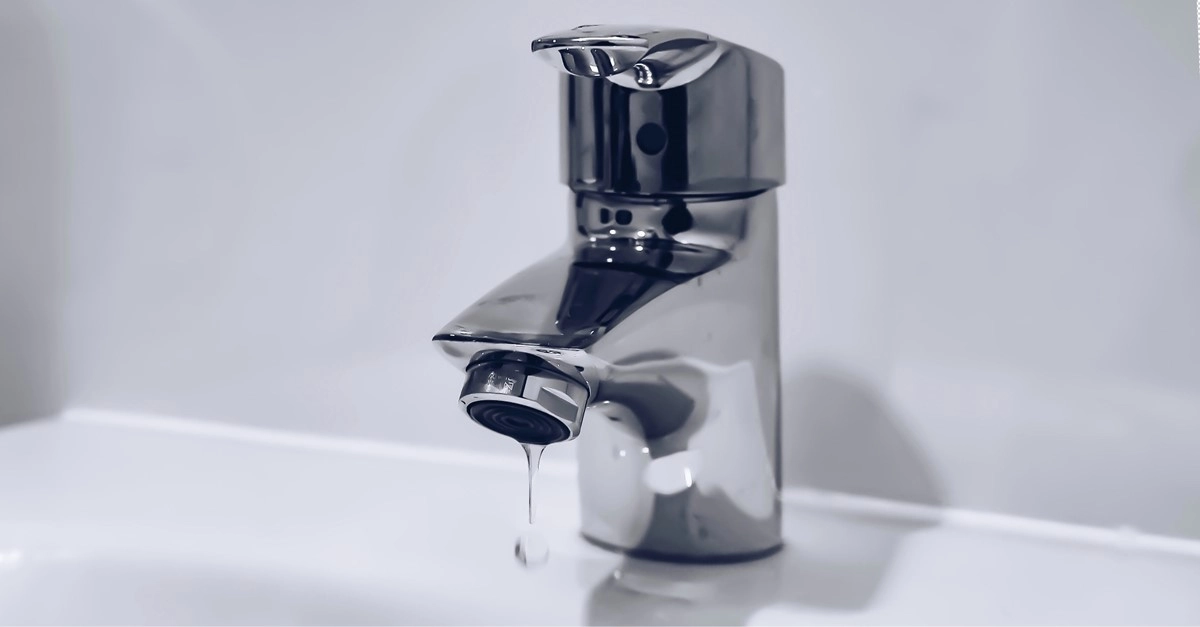
Water moves through the day in ways that are easy to miss until something interrupts it. A tap runs while hands are soaped, a kettle is filled by instinct, a rinse becomes longer because the mind is elsewhere, and the home keeps flowing without anyone naming it. Much of this happens without waste or carelessness, simply because routines carry their own pace. Water use becomes part of the house’s background language, woven into mornings, meals, and small resets between tasks. When attention turns toward it, the goal need not become reduction. It can become easy, a sense that the home is not hurrying water along or leaving it behind. This guide looks at how awareness can soften patterns without turning daily life into something monitored.
Where Water Quietly Enters The Day
Most water is used in small moments, not in big ones. It arrives in the few seconds before the shower warms, in the quick rinse of a cup, in the sink left running while a dish is searched for, in the bathroom where small habits repeat in the same order each morning. These fragments feel too minor to hold attention, which is why they build the shape of a household’s rhythm. A home can feel calm and still carry a steady stream of unnoticed running. The sound of water becomes familiar, then invisible, then expected, almost like a fan that is always on. In the Water & Resource Use view, this is not framed as a problem to be corrected, but as a timing system that can be gently brought back into alignment. When water enters the day with less rush around it, the home feels quieter, in a way hard to explain.
Awareness Without Tightening The Home
Awareness does not have to arrive as discipline. It can be as simple as noticing when the tap is running unnecessarily and how often that happens in the same places. Many homes develop a habit of keeping water moving as a kind of reassurance, as if the flow proves the task is underway. That feeling can settle into dishwashing, toothbrushing, wiping counters, filling buckets, rinsing cloths, and even watering plants. The shift is not to restrict, but to let water appear only when it is actually serving contact. Over time, this easing reflects a broader way of living with less daily demand rather than compressing attention into constant correction. A pause while soaping hands, a moment of stillness while a sponge gathers soap, or the quiet decision to turn the tap off during a reset changes the atmosphere more than the numbers. Water use begins to feel like something the home hosts, not something it leaks through. The house becomes less busy, even when the day stays full.
Small Patterns That Let Water Settle
When water stops demanding attention, it often happens through small changes that feel natural once they arrive. A bowl in the sink becomes a place for rinsing, and the tap is used in shorter, clearer moments. A cloth is dampened once and used well, instead of being re-wet repeatedly as though each pass needs fresh water. A kettle is filled only to what will be used, and that simple act reduces the hidden cycle of pouring, reheating, and discarding. Even a shower can feel calmer when it begins after the room is ready, not while drawers are opened and towels are searched for. These are not “methods,” and they do not need to be treated like rules, which is why they last. A few gentle shifts tend to appear when a household begins to live with flow more consciously:
- Water used in distinct moments, with quiet pauses in between
- Rinsing is gathered into one phase instead of being scattered throughout the task
- Filling done with a clearer sense of what the day actually needs. Much of what becomes waste later often begins in these small upstream moments, long before anything reaches the bin.
The effect is subtle, and the home feels less rushed.
Water Use Within Smart, Sustainable Ease
A home that feels sustainable is often one that does not require constant self-checking. Within Smart & Sustainable living, systems are meant to support continuity, so the house can hold steady without tension. Water fits into this quietly because it touches so many routines without being treated as a “system” at all. When water use becomes calmer, the home tends to feel less reactive; sinks are used with more intention, surfaces dry more predictably, and bathrooms feel less humid without anyone trying to manage them. Even the sound of the house changes, with fewer long runs of water that keep rooms alert. This does not create austerity, nor does it turn daily care into performance. It simply returns water to a more responsive state, arriving when needed and leaving when done. The day remains the same on the outside, yet inside, the house feels slightly more settled, as if it has learned how to breathe between moments.