
Kitchen Air And Odours That Support A Light, Comfortable Home
Part of the Air & Wellness Pillar
The kitchen changes the air more than any other space in the home. Heat builds quickly, moisture rises, and fine particles from cooking settle into the room long after a meal is finished. Even simple tasks like boiling water or reheating food leave traces behind that affect how the space feels.
Because cooking happens daily, these changes often go unnoticed. Odours linger lightly. Warmth stays trapped. Air circulation slows once activity ends. Over time, the kitchen can feel heavy or closed even when surfaces are clean.
Kitchen air and odours care focuses on what happens during and after cooking, not on masking smells or forcing freshness. When heat, moisture, and residue are released early, the kitchen recovers on its own and remains comfortable between uses. This category sits within the wider Air & Wellness approach, where everyday air recovery matters more than occasional correction.
Why Kitchen Air And Odours Matter
Cooking introduces multiple stressors into indoor air simultaneously. Heat lifts particles into the room. Moisture condenses on nearby surfaces. Odours attach themselves to fabrics, walls, and cupboards.
When this air is left unmanaged, the kitchen begins to feel stale even shortly after use. Cleaning alone cannot correct this, because the issue is not surface dirt. It is suspended air that has not been allowed to clear.
Supporting kitchen air and odours reduces the amount of residue that settles, and the length of time odours persist. This keeps the space usable and comfortable without relying on fragrance or constant ventilation.
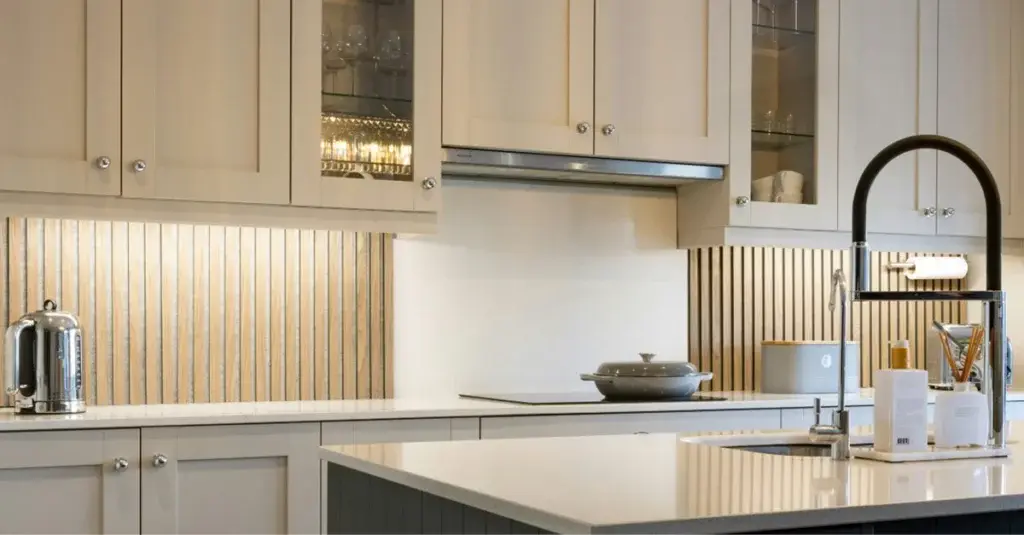
Image Credit: Unsplash / Tile Merchant Ireland
What Falls Under Kitchen Air And Odours Control
Kitchen air care focuses on the everyday by-products of cooking and food preparation:
- Heat is retained after cooking.
- Moisture is released through boiling, steaming, and washing.
- Odours from food, oil, and waste.
- Fine particles that linger after activity ends.
These elements are part of normal kitchen use. They become problematic only when they are allowed to stay suspended or settle into the space.
Kitchen Air And Odours Control Guides
The guides in this category focus on how kitchen air behaves during ordinary use.
Releasing Heat And Steam During Cooking
This guide looks at timing and airflow placement to allow warm, moist air to leave the kitchen before it spreads.
Supporting Air Recovery After Cooking
Once cooking ends, the kitchen needs time to reset. This guide explores simple post-use habits that allow air to clear naturally.
Each guide addresses air early, while it is still easy to manage.
How Kitchen Air Affects The Rest Of The Home
Kitchen air rarely stays contained. Heat and odours move into living spaces, hallways, and nearby soft furnishings. Over time, this affects how the home smells and feels overall.
When kitchen air is released promptly, nearby rooms remain more stable. Fabrics absorb less residue. The home feels lighter without requiring additional airing elsewhere. Kitchen air habits quietly protect the wider living environment.
Daily Release Vs. Lingering Buildup
Many homes rely on delayed solutions for kitchen air—opening windows long after cooking, using scents, or waiting for smells to fade. While this can help temporarily, it does not prevent air from settling first.
Daily release works earlier. Heat is allowed to escape while it is still rising. Moisture is cleared before it condenses. Odours leave before they embed themselves. This approach keeps the kitchen closer to neutral, avoiding cycling between activity and heaviness.
A Calm Approach To Cooking Air
Kitchen air care is not about removing every trace of cooking. It is about preventing air from feeling trapped. When circulation is supported during and shortly after cooking, the kitchen remains comfortable to re-enter. Surfaces stay clearer. Fabrics nearby absorb less. The room feels finished rather than lingering in use. This calm approach supports everyday cooking without adding work.
How Air Care Reduces Cleaning Pressure
Airborne particles contribute to surface residue buildup. When air clears efficiently, less settles onto counters, cupboards, and appliances. This reduces how often surfaces feel sticky or dull and lowers the need for frequent wiping. Eco-friendly cleaning methods work better when air-related buildup is reduced at the source. Kitchen air care supports cleaning indirectly by preventing residue from settling in the first place.
Part Of A Larger Air & Wellness System
Kitchen air habits work alongside other air-focused practices throughout the home.
From this category, you may also explore:
- Daily Air Habits for circulation during normal movement
- Bathroom Moisture Control for managing steam and dampness
- Bedrooms & Soft Furnishings for fabric freshness
- Evening & Overnight Air Reset for whole-home recovery
Each area supports the others by allowing air to recover rather than accumulate.
Bottom Line
Cooking changes indoor air every day. When heat, moisture, and odours are allowed to release early, the kitchen remains comfortable without intervention. Kitchen air and odours care is not about masking smells or forcing freshness. It is about timing, circulation, and allowing the space to recover naturally after use. This category offers practical guidance for managing kitchen air as part of everyday living — quietly, consistently, and without excess effort.