
Daily Air Habits That Support A Light, Balanced Home
Part of the Air & Wellness Pillar
Air in a home is shaped less by single actions and more by ordinary movement that repeats throughout the day. Doors open and close as people pass through rooms, carrying air with them without noticing. Windows are adjusted briefly, then left as attention moves elsewhere. Over time, these daily air habits quietly influence how air behaves, responding to how the home is used rather than how it is cleaned.
Because these movements feel minor, their effect on indoor air is easy to miss. Circulation slows quietly, rooms become still, and warmth or moisture begins to settle without drawing attention. Freshness fades gradually — not because something went wrong, but because nothing shifted the air along the way. What is often described as “stale air” is usually just air left in place for too long.
Daily air habits focus on how air moves during normal activity rather than on scheduled actions or special routines. They happen naturally while the home is already in use, shaping circulation without adding work. Instead of correcting air after it feels uncomfortable, these habits support it continuously. This category sits within the wider Air & Wellness approach, where air is maintained through timing rather than intervention.
Why Daily Air Habits Matter
Air changes constantly as people move through the home. Each door opens, each room is entered, and each task shifts the air slightly. When this movement is allowed to support circulation, air remains lighter and more responsive. When it is restricted, air gradually settles and becomes harder to refresh.
Daily air habits matter because they interrupt stagnation before it becomes noticeable. Instead of relying on large airing sessions or corrective measures, these habits prevent air from becoming trapped in the first place. Circulation happens in small, frequent releases rather than long periods of stillness. The result is a home that feels open and usable without requiring deliberate effort.
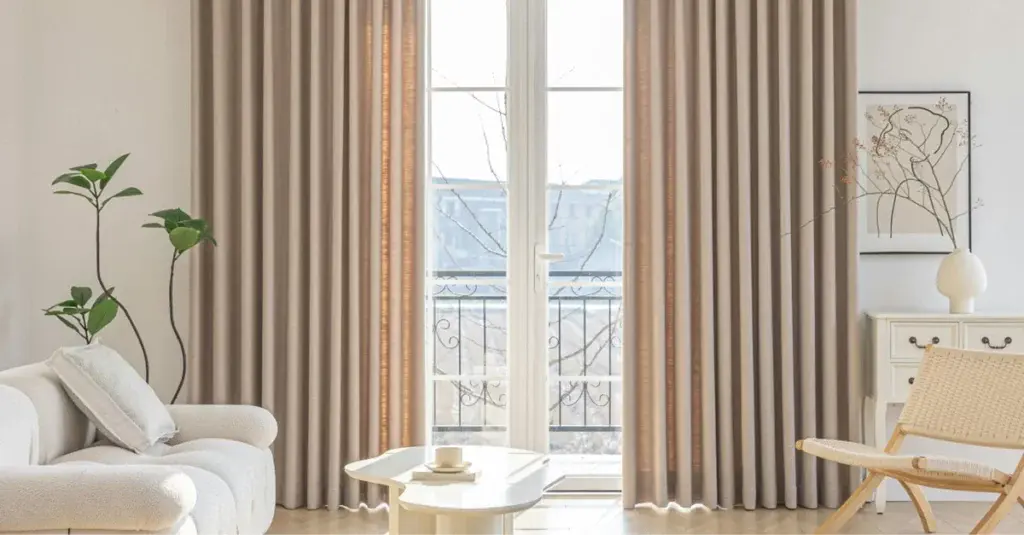
Image Credit: Unsplash / Ezcurtain Life
What Falls Under Daily Air Habits
Daily air habits relate to how circulation is supported during ordinary living, not through added tasks or conscious management:
- Air movement is created by passing through rooms.
- Brief window or door openings during normal tasks.
- Heat and moisture are released as activity occurs.
- Air allowed to travel rather than remain contained.
These habits are subtle by design. Their effectiveness depends on alignment with the movement already underway. When air is supported this way, circulation remains consistent without needing attention.
Daily Air Habits Guides
The guides in this category focus on moments that naturally occur throughout the day rather than on added routines. Each guide addresses air while it is still easy to manage.
Daily Air Habits That Get Overlooked
This guide highlights the small, repeatable moments that shape indoor air without anyone noticing — the ones that quietly decide whether a home feels open or slightly stale by evening.
Supporting Airflow Through Normal Movement
This guide explores how everyday transitions — entering, leaving, and passing through spaces — affect circulation when doors and windows are used with simple awareness.
Each guide works with a daily rhythm rather than interrupting it.
How Air Behaves During Normal Use
Air responds directly to motion. When people move, air lifts and shifts with them. When movement stops, air settles and layers quietly. Rooms that receive regular circulation tend to feel lighter than those that remain closed or undisturbed for long periods.
Daily air habits encourage small, frequent release rather than extended stillness. This prevents air from layering and reduces the gradual heaviness that develops when rooms remain sealed. The effect is cumulative rather than dramatic, shaping comfort over time.
Daily Release Vs. Occasional Airing
Many homes rely on occasional airing—opening windows wide when the air feels stale. While helpful, this approach corrects the air only after stagnation has already occurred. It addresses the result rather than the cause.
Daily air habits work earlier in the process. By allowing air to move in small ways throughout the day, stagnation never fully develops. Rooms remain closer to neutral, and large airing sessions become less necessary. This shift reduces effort and creates more consistent comfort.
A Calm Approach To Circulation
Daily air habits are not about forcing airflow or keeping windows open constantly. They are about allowing air to respond naturally to movement already happening in the home. When circulation is supported gently, the home feels easier to inhabit.
Air does not draw attention to itself. Spaces feel ready rather than closed. This calm approach avoids over-management while still preventing buildup and stagnation.
How Daily Air Habits Reduce Cleaning Pressure
Air that remains still allows particles to settle on surfaces and fabrics. When air moves regularly, less residue accumulates in the first place. Surfaces stay clearer for longer, and fabrics hold fewer lingering odours.
As a result, cleaning becomes lighter because buildup slows at its source. Daily air habits support cleaning indirectly by preventing air-related residue from settling throughout the home. This allows gentle cleaning methods to remain effective without added effort.
Part Of A Larger Air & Wellness System
Daily air habits work alongside more focused air practices in specific rooms. Each area of the home interacts with air differently and benefits from targeted support.
From this category, you may also explore:
- Kitchen Air & Odours for managing heat and residue during cooking
- Bathroom Moisture Control for releasing dampness early
- Bedrooms & Soft Furnishings for fabric freshness and rest support
- Evening & Overnight Air Reset for whole-home recovery
Each area addresses air where it naturally behaves differently.
Bottom Line
Air does not need dramatic intervention to stay fresh. It needs regular opportunities to move and release. Daily air habits support circulation throughout the day, keeping rooms responsive and comfortable without extra effort. This category offers practical guidance for allowing air to flow through normal movement — quietly, consistently, and without strain.