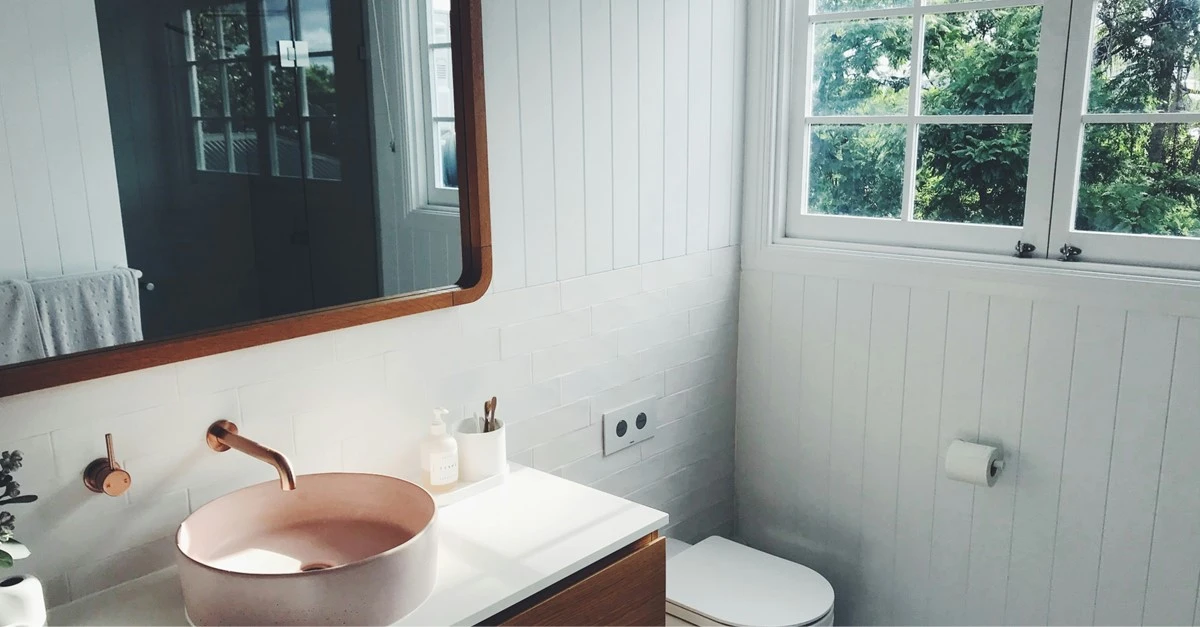
Damp smells often appear in bathrooms that look clean. Surfaces may be wiped, tiles may shine, and yet a faint heaviness lingers in the air. This happens not because the bathroom is dirty, but because moisture has nowhere to go. When water stays trapped in the room — in corners, fabrics, and still air — odours begin to form quietly.
Daily bathroom habits that prevent damp smells are not about scrubbing more or using stronger products. They are designed to help moisture leave the space at the right time. When drying becomes part of the routine, smells rarely have the chance to settle.
Why Damp Smells Form Even in Clean Bathrooms
Bathrooms are designed to handle water, but not to hold it. After a shower, moisture spreads into the air, clings to walls, sinks into fabrics, and settles in areas with limited airflow. If the room does not dry fully between uses, that moisture becomes a constant presence.
Over time, this trapped dampness feeds musty odours. The smell is often subtle at first — noticeable only when the door has been closed, or the room hasn’t been used for a few hours. This is a sign that drying is incomplete, not that cleaning has failed. The goal of daily bathroom habits — especially those explored in our Bathroom Habits approach — is to reduce the time moisture stays in the space.
Airflow Habits That Allow Moisture to Leave
Air movement is the most important factor in preventing damp smells. Without airflow, moisture simply lingers, even on clean surfaces. Creating a habit of immediate ventilation helps the bathroom reset after each use.
Simple airflow habits include:
- Opening windows or doors immediately after showers
- Running an exhaust fan long enough for the room to fully dry
- Keeping the door slightly open when possible to allow air exchange
These habits work best when they happen automatically, without waiting. Airflow is most effective while moisture is still warm and airborne. This same principle shapes simple shower habits for a drier bathroom, where timing quietly influences how fully the room clears. Delaying ventilation allows dampness to settle deeper into the room.
Timing Matters More Than Effort
One of the most overlooked daily bathroom habits that prevents damp smells is timing. Drying works best when it begins right away. Waiting even ten or fifteen minutes can allow moisture to cling to surfaces and fabrics.
Timing habits might include opening the bathroom window before stepping into the shower or switching on the fan as soon as water starts running. This creates airflow while moisture is being produced, not after it has already settled.
When drying becomes part of the bathroom’s natural rhythm, it requires very little effort. The room begins to clear itself before dampness has a chance to accumulate.
Keeping Surfaces Lightly Dry After Use
Bathrooms do not need to be wiped down thoroughly every day. However, small surface habits can significantly reduce lingering moisture. Water that sits on flat areas evaporates slowly, especially in still air.
A few gentle daily actions help surfaces dry more completely:
- Pull the shower curtain open so it can air out.
- Leave the shower door slightly ajar after use.
- Give the sink area a quick pass with a towel to remove pooled water.
These actions take seconds and support drying without turning into cleaning tasks. Over time, they prevent moisture from becoming trapped in folds, corners, and edges.
Fabric Awareness and Drying Habits
Fabrics hold moisture longer than hard surfaces. Towels, bath mats, and shower curtains absorb water and release it slowly into the air. When these items remain damp, they contribute significantly to bathroom smells.
Daily habits that prevent damp smells include allowing fabrics to dry fully between uses. Hanging towels rather than folding them, lifting bath mats to dry, and avoiding leaving wet items in heaps all support faster evaporation. When fabrics dry completely, the bathroom air clears more quickly and feels lighter.
Door Habits That Support Drying
Closing the bathroom door immediately after use can trap moisture inside. While privacy is important during use, drying benefits from openness afterward.
Leaving the door open for a short period allows humid air to move out into larger, drier spaces. This exchange helps the bathroom reach normal humidity levels faster. Even a small gap can make a noticeable difference. This habit is especially helpful in bathrooms without windows, where airflow options are limited.
Recognizing Moisture Signals Early
Part of maintaining daily bathroom habits that prevent damp smells is awareness. Paying attention to how the bathroom feels after use provides useful signals. Fogged mirrors that linger, towels that stay damp for hours, or a heavy feeling in the air all indicate slow drying.
When these signs appear, adjusting airflow or timing usually resolves the issue without requiring changes to products or routines. The bathroom simply needs more help releasing moisture.
Why Consistency Matters More Than Intensity
Drying habits work because they are repeated, not because they are intense — a core idea within the wider Home Habits system. A bathroom that dries properly every day rarely develops odours, even if deep cleaning happens less often.
Consistency keeps moisture from building layer by layer. This is where weekly home habits for sustainable home care gently support areas that daily airflow may miss. When daily habits are present, the room resets itself naturally after each use.
The bathroom remains fresh not because it is constantly cleaned, but because it never stays damp for long. When drying happens steadily throughout the day, the evening home reset for a calm night feels lighter, because less has been left unsettled.
A Quieter Approach to Bathroom Freshness
Damp smells are often treated with sprays, candles, or strong cleaners. While these may temporarily mask odours, they do not address the source. Moisture control does.
Daily bathroom habits that prevent damp smells focus on allowing water to leave the space instead of covering its effects. When airflow, timing, and awareness work together, freshness becomes the natural state of the room.
The bathroom feels lighter, clearer, and easier to maintain — not because more was done, but because moisture was allowed to move on.
Keep Your Bathroom Fresh With Small Daily Shifts
If you’re trying to prevent moisture and lingering smells, these habits help keep the space lighter and easier to care for: